

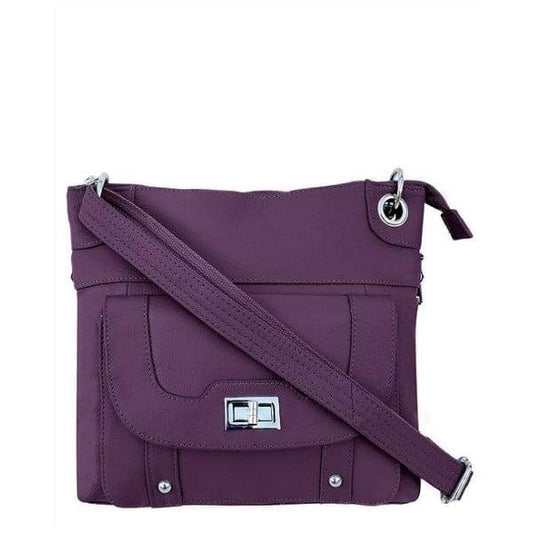

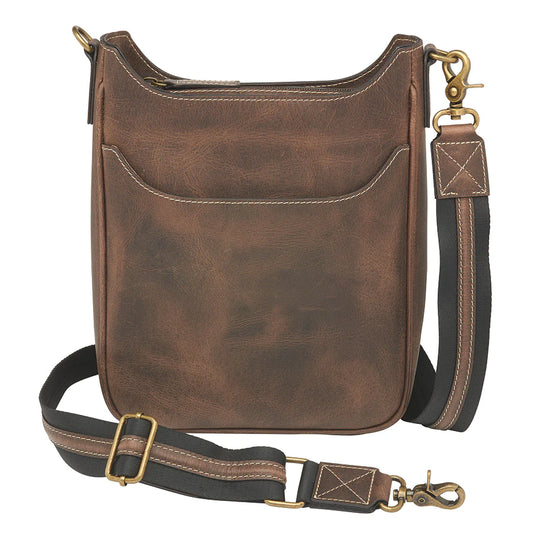


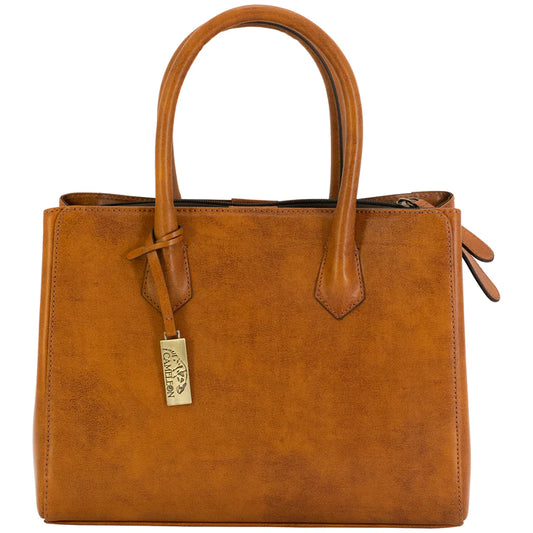

Premium craftsmanship

“Love the company and the woman who runs it The bags/purses are great quality and are very stylish! 10/10 definitely recommend!!”



A shoulder holster versus belly band decision is rarely about which option is universally better. It is about which one stays comfortable, concealed, secure, and practical through the way you actually move through your day. Your commute, wardrobe, body shape, responsibilities, and training habits all matter.
For women who carry, the right setup should support confidence without asking you to dress like someone else. Whether you are heading to the office, picking up children, traveling, or enjoying a night out, fashionable protection starts with carry gear you can wear consistently and responsibly.
A shoulder holster positions the handgun beneath the arm, supported by straps that rest across the shoulders and upper back. Most designs work best beneath a structured outer layer, such as a blazer, cardigan, jacket, vest, or loose overshirt. It is a familiar choice for people who spend significant time seated or driving because it keeps the waistband free.
A belly band wraps around the midsection and generally holds the firearm near the waistline. Many are made from elastic, breathable fabric, or a combination of stretch material and reinforced holster components. Because it sits close to the body, a belly band can work with dresses, leggings, high-waisted jeans, athletic wear, and other outfits without belt loops.
Neither choice is a shortcut around safe carry. A holster must hold the firearm securely, cover the trigger guard completely, and stay in place during normal movement. Whichever style you choose, take time to practice safe handling, follow applicable local and state laws, and seek qualified training.
The strongest advantage of a shoulder holster is freedom at the waist. If waistband carry feels restrictive, interferes with high-rise pants, or clashes with a polished work outfit, moving the weight upward can be a welcome change. It can also be more comfortable for extended time in a vehicle, where a waistband holster may press into the torso or hip.
A shoulder holster can distribute weight across the shoulders rather than concentrating it in one area. That may be especially appealing for those carrying a heavier firearm. With the right adjustment, the rig should feel stable without digging into the neck or creating pressure points around the shoulders.
A shoulder holster usually needs a cover garment to remain discreet. That is easy in cooler weather, at an office where blazers are part of the dress code, or when your personal style already includes layers. It can be less appealing in hot, humid weather or for anyone who prefers fitted tops with no outer layer.
Concealment also depends on fit. A loose, poorly adjusted rig can shift, print, or feel awkward as you reach and bend. A quality shoulder holster should be sized and adjusted carefully for both your body and firearm, then worn around the house during normal, unloaded fitting checks before becoming part of your daily routine.
Consider a shoulder holster if you drive often, wear jackets or cardigans regularly, dislike pressure around your waistband, or want an option that works well with business attire. It may also suit a woman who alternates between standing and sitting throughout a long workday.
The trade-off is simple: it asks more of your outfit. A shoulder holster can be elegant and effective, but it is not as adaptable when a sleeveless dress, fitted tee, or summer tank is your everyday uniform.
A belly band is often chosen for flexibility. It can make concealed carry possible when traditional belt-mounted options do not match the outfit, particularly with leggings, dresses, yoga pants, lounge sets, or clothing without a sturdy waistband. For active women, busy moms, and anyone who does not want to build every outfit around a belt, that versatility is meaningful.
The close-to-body fit can provide excellent concealment under an untucked shirt, sweater, or relaxed dress. It also gives you options for placement based on comfort, provided the holster remains secure and the trigger guard is fully protected. Some belly bands include additional pockets, though extra storage should never compromise secure firearm retention.
The biggest belly band challenge is heat. Even breathable material can feel warm when worn directly against the body in summer, especially during long errands or outdoor events. Sweat can also affect comfort and can be hard on firearms, so regular inspection and cleaning matter.
Fit is equally important. A band that is too loose can move. One that is too tight can roll, pinch, ride upward, or make breathing uncomfortable. Look for a design with dependable retention and enough structure to prevent the firearm from sagging or shifting as you walk, sit, reach, and bend.
A belly band is not automatically the best choice simply because it works with more outfits. If you find yourself constantly adjusting it, avoiding certain movements, or leaving it at home because it feels uncomfortable, it is not serving its purpose. The best carry option is one you can safely and confidently use on ordinary days, not just on the days you planned your wardrobe around it.
The shoulder holster versus belly band question becomes clearer when you picture a normal Tuesday. Are you seated in a car for an hour? Are you carrying a toddler, pushing a cart, climbing stairs, or working at a desk? Are you wearing a blazer, a dress, fitted athleisure, or jeans and a soft knit top?
A shoulder holster may be the stronger match for professional layers and long drives. A belly band may win for an active wardrobe, warm-weather dresses, or days when you need clothing flexibility. Some experienced carriers keep both because their lifestyle changes with the season, occasion, and outfit.
Your firearm’s size and weight matter, too. A compact option may disappear more easily in a belly band, while a heavier setup may feel more balanced in a properly fitted shoulder rig. This is not a rule, just a useful starting point. Body proportions and personal comfort can change the answer completely.
Style matters. You deserve carry options that respect your wardrobe instead of forcing you into bulky, tactical-looking gear. But a beautiful outfit is only part of the standard. Safe, responsible concealment requires equipment that protects the trigger, retains the firearm during movement, and does not demand constant adjustment.
Be thoughtful about privacy as well. Avoid checking, touching, or repositioning your holster in public. Before leaving home, move naturally in a private setting: sit, stand, reach for a bag, bend carefully, and look in a mirror from different angles. This helps reveal discomfort, printing, or shifting before you are out the door.
If you carry in a handbag or backpack on some days, treat that as a separate carry method, not a casual substitute for a body holster. A dedicated compartment, secure retention, and direct control of the bag are essential. Hiding Hilda believes fashionable protection should look refined while supporting the responsibility behind every carry decision.
There is no prize for choosing the most traditional option or the most versatile-looking one. A shoulder holster is often a smart fit for layered outfits, driving, and waist-free comfort. A belly band can be a powerful wardrobe solution for dresses, activewear, and clothing without belts.
Try to judge each option after real-world, safe at-home wear time rather than a quick mirror check. Notice where it rubs, whether it stays stable, how it works with your favorite outfits, and whether you feel composed wearing it. Your carry method should reinforce your independence, not become one more thing competing for your attention.
The most confident choice is the one that lets you walk out the door feeling polished, prepared, and fully in control.