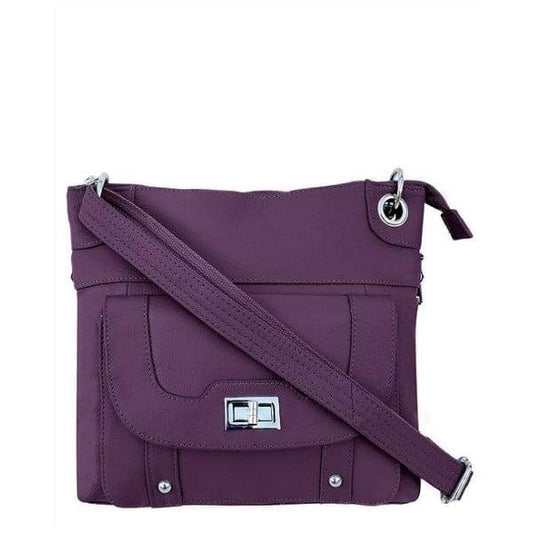

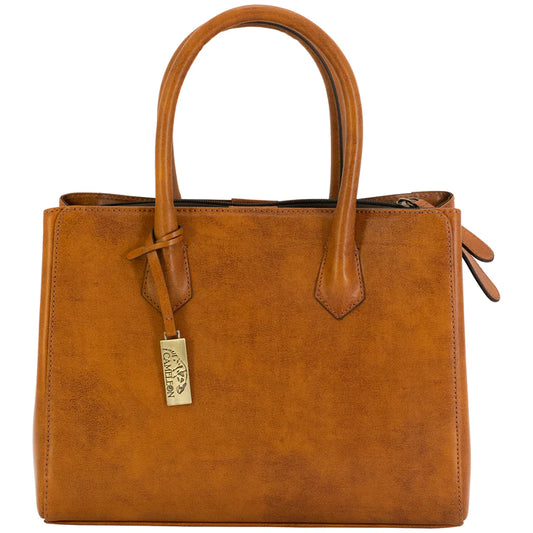
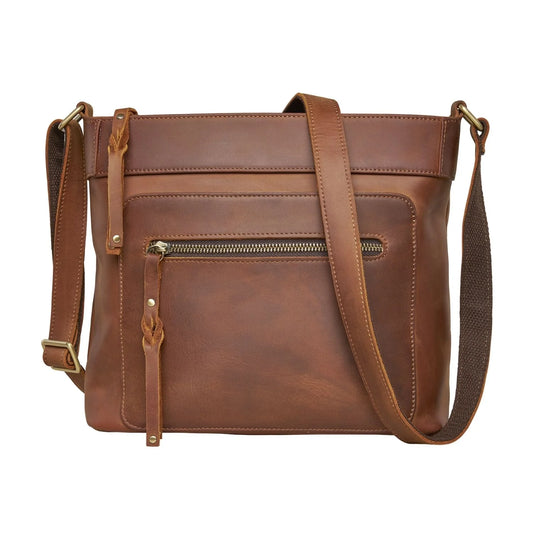


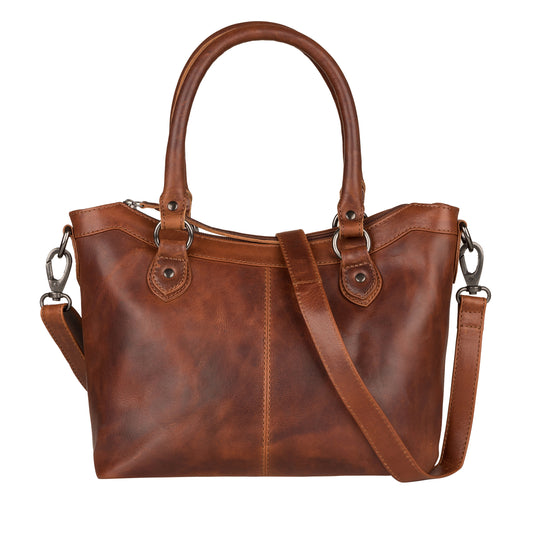


Premium craftsmanship

“Love the company and the woman who runs it The bags/purses are great quality and are very stylish! 10/10 definitely recommend!!”



A beautiful handbag should not force you to choose between style and security. If you are learning how to conceal carry in purse, the goal is not just hiding a firearm. It is carrying in a way that stays discreet, protects the trigger, gives you fast access, and fits your real life without looking tactical.
Purse carry can work very well for women who want fashionable protection, especially when waistband carry is uncomfortable, impractical with certain outfits, or hard to conceal. But purse carry also asks more of you. Your bag has to be purpose-built, your setup has to be consistent, and your habits have to be sharp.
The first rule is simple. A regular handbag is not automatically a concealed carry purse. Tossing a firearm into a large tote beside keys, lip gloss, receipts, and earbuds is not concealed carry done right. It is slow, inconsistent, and unsafe.
A proper concealed carry purse needs a dedicated firearm compartment that is separate from your everyday items. That compartment should keep the handgun oriented the same way every time and protect the trigger completely. If the firearm shifts, snags, or gets buried, your draw gets slower right when speed matters most.
That is why the purse itself matters as much as the firearm inside it. A lockable concealed carry compartment, a secure holster system, and quick-access placement are not luxury features. They are the foundation of responsible purse carry.
Women often ask whether any bag can be adapted for concealed carry. Technically, some can. Realistically, a purpose-built concealed carry purse is the better answer.
Look for structure first. A soft, floppy bag may look elegant, but if it collapses on itself, access becomes inconsistent. A purse with a stable silhouette helps maintain the position of the firearm and gives you a cleaner draw.
Compartment design matters just as much. The firearm pocket should be separate, easy to reach, and large enough for your handgun without excess room that allows movement. A bag with ambidextrous access can also be helpful if you switch shoulders or want more flexibility in how you carry.
Strap design is another detail many people overlook. If a purse is too heavy, too slick on the shoulder, or too delicate for daily use, you are less likely to carry it consistently. Wider straps, reinforced attachment points, and crossbody options usually offer better stability and better control, especially in public.
And yes, appearance matters. If a bag blends naturally with your wardrobe, you are more likely to use it every day. Fashionable protection works best when it feels like part of your lifestyle, not a compromise you tolerate.
A strong concealed carry purse usually includes a dedicated holster attachment area, lockable zippers, quality leather or durable construction, and a shape that supports fast access. RFID protection, organized storage, and polished hardware are excellent bonuses, but the carry compartment should always come first.
This is non-negotiable. If you want to know how to conceal carry in purse the safe way, start here.
The firearm should never float loose in the compartment. It needs a holster that covers the trigger guard fully and keeps the grip positioned for a consistent draw. A dedicated concealed carry purse often uses hook-and-loop placement or another retention method so the holster stays where you put it.
Consistency is everything. If your firearm sits grip-up one day, rotates the next day, and slides to the bottom after a busy afternoon, you do not have a dependable setup. You have guesswork.
A good purse holster setup lets you reach into the compartment and know exactly where the firearm is, how your hand will meet the grip, and what movement it takes to draw cleanly. That kind of confidence is built before you leave the house, not in a stressful moment.
Most women do best with either shoulder carry or crossbody carry, but they are not equal in every situation.
A shoulder bag can feel elegant and easy for everyday wear, but it may swing, slide, or be easier for someone else to grab. Crossbody carry usually offers better retention and keeps the bag closer to your body, which is one reason many experienced purse carriers prefer it.
That said, it depends on your routine. If you commute, shop alone, move through crowded spaces, or carry with children, crossbody often gives you more control. If you are seated often, driving frequently, or wearing outfits that make crossbody awkward, a shoulder bag may still work well if you keep it under close control.
Whichever style you choose, the bag should stay on your body. Setting it in a shopping cart, hanging it on a restaurant chair, leaving it in a public restroom stall, or placing it on a car seat creates both safety and theft risks. Purse carry demands possession and awareness at all times.
A concealed carry purse can be beautifully made and still fail you if you have not practiced with it.
You need to rehearse opening the compartment, establishing a full firing grip, and drawing without snagging on zippers or fabric. Practice while standing, walking, seated in a vehicle, and wearing the outfits you actually wear. A jacket, scarf, or bulky sweater can change access more than people expect.
Dry practice is where you find the weak points. Maybe the zipper pull is too small. Maybe the compartment opens from the wrong side for your dominant hand. Maybe the purse hangs too low to access quickly. These are fixable issues, but only if you catch them early.
Speed matters, but smoothness matters first. A hurried, awkward draw from a purse is not a win. A clean, repeatable draw is what builds real confidence.
Purse carry is not just about the bag. It is about discipline.
If you switch purses constantly, forget which bag you are carrying, or move your firearm setup around without checking placement, you create inconsistency. Many women are better served by choosing one primary concealed carry purse and learning it well.
You should also keep the firearm compartment dedicated to the firearm. Do not use it for pens, gum, sunglasses, cosmetics, or anything else. Even small items can interfere with access or compromise safety.
At home, secure the purse properly. If children or unauthorized adults may access it, locking the compartment may not be enough on its own. Responsible storage still matters when the bag is off your body.
The biggest mistakes are predictable. Carrying in a standard handbag, skipping the holster, overstuffing the purse, leaving the bag unattended, and failing to practice are the most common ways a good idea turns into a weak setup.
There is also the issue of bag size. Bigger is not always better. A large tote may feel convenient, but extra space often means more shifting and slower access. The better choice is usually the smallest purse that still fits your firearm securely and suits your daily essentials.
Women should not have to choose between polished style and personal safety. The right concealed carry purse proves that you can carry with confidence, stay discreet, and still look like yourself.
That is the sweet spot - a bag that feels elevated, functions under pressure, and supports the life you actually live. For many women, that means clean lines, quality leather, secure hardware, and a dedicated quick-access compartment that does its job without advertising what is inside.
A well-designed concealed carry purse is not about fear. It is about independence. It is about being prepared in a way that feels natural, feminine, and fully under your control. That is exactly why so many Fearless Women choose purpose-built options from brands that understand both fashion and function, including retailers like Hiding Hilda.
If you want purse carry to work, keep it simple. Choose a dedicated concealed carry purse, use a real holster, keep the firearm compartment exclusive, and practice until your draw feels natural. Confidence looks even better when it is backed by preparation.