





Premium craftsmanship

“Love the company and the woman who runs it The bags/purses are great quality and are very stylish! 10/10 definitely recommend!!”



A beautiful carry purse is only protective when your handgun stays exactly where it belongs. This handgun purse retention guide focuses on the part of concealed carry that deserves more attention than it gets: keeping your firearm secure, covered, stable, and accessible only to you. Fashionable protection is not about carrying more gear. It is about carrying with intention.
Purse carry can be a smart fit for women who need wardrobe flexibility, do not want the discomfort of waistband carry, or need a bag that works through workdays, school pickup, travel, and evenings out. It also asks more of the carrier. Your purse is not attached to your body in the same way a belt holster is, so retention begins with your habits as much as your equipment.
Your handgun should never share space with lip gloss, keys, a wallet, snacks, or anything else that can enter the trigger guard, shift the firearm, or slow a safe draw. A true concealed carry purse has a separate, purpose-built compartment for the handgun. That separation is the foundation of responsible purse carry.
Look for a compartment that is discreet from the outside but easy for you to identify by feel. Quick-access zippers, ambidextrous zipper pulls, and a layout that keeps the firearm upright can all make a meaningful difference. The best design is the one you can operate consistently while standing, seated, or moving through your normal day.
A lockable carry compartment adds another layer of protection when a purse may be temporarily placed nearby, such as at a desk or in a vehicle. A lock is not a substitute for supervision or secure storage, but it can help deter unauthorized access in the moments when life gets busy.
The purse itself is not the holster. A dedicated holster is nonnegotiable because it covers the trigger guard and keeps the handgun in a repeatable position.
A quality purse holster should fit the specific firearm you carry, not simply claim to be universal. It needs enough structure to remain open when the handgun is drawn, enough retention to keep the firearm from falling free if the bag is jostled, and a secure attachment point inside the carry compartment. Soft, loose fabric sleeves may conceal a firearm, but they do not provide the same level of trigger protection or positional control.
Before carrying loaded, practice installing and removing your unloaded firearm at home in a safe direction, following the firearm manufacturer's safety procedures. You are looking for a clean, deliberate fit. The gun should not rotate, slide downward, or lean at an odd angle when the purse is lifted, set down, or worn crossbody.
First, it keeps the trigger guard completely covered. Second, it holds the handgun in the same orientation every time. Third, it prevents the firearm from coming loose during ordinary movement such as bending, reaching, getting into a car, or picking up a child.
If any one of those jobs is not being done, the setup needs attention. A stylish bag is a wonderful accessory. Your carry system must be more than that.
Most concealed carry purses position the firearm in a dedicated side or rear compartment. There is no universal "best" placement because body type, dominant hand, bag shape, and daily routine all matter. What matters most is that you can establish a full, safe grip without digging through the bag or changing the gun's position.
For many right-handed carriers, a carry compartment worn against the body with the opening oriented toward the dominant hand is a natural choice. Left-handed carriers should look for truly ambidextrous access rather than trying to force a right-hand configuration to work. A bag that looks perfect but creates an awkward draw is the wrong bag for your carry needs.
Crossbody wear often provides better control than carrying a purse loosely on one shoulder. The strap stays closer to the body, the bag is less likely to swing, and it is harder for someone to snatch. When you sit down, notice whether the bag flips, slides behind you, or becomes trapped under your arm. Those everyday moments reveal more about retention than a quick mirror check ever will.
This is the hard truth of off-body carry: a purse can be set down, forgotten, grabbed, or opened by someone else. Retention is not complete until your behavior supports the bag's safety features.
Make your carry purse part of your body. Wear it crossbody when practical. Keep a hand on it in crowded spaces. At a restaurant, do not drape it over a chair or leave it on the floor beside you. At home, do not leave it on an entryway table, couch, or bed where children, guests, or curious hands can reach it.
When you must remove the purse, secure it in a location that prevents unauthorized access. Depending on your circumstances, that may mean keeping it on your person, placing it in a secured container, or using a properly installed vehicle storage solution. Local laws and permit conditions may also govern how and where you may carry, especially around schools, government buildings, workplaces, and other restricted locations.
Small wear issues can become major safety issues. Give your carry setup a quick inspection regularly, especially after a long day, travel, or a bag that has taken a hard bump.
Watch for these four problems:
A woman who trains from a waistband holster has valuable skills, but purse carry introduces a different set of movements. The zipper, the strap, the bag's position, and the possibility of the purse moving all affect the draw. Practice needs to reflect that reality.
Begin with an unloaded firearm in a private, safe setting. Practice locating the carry compartment, opening it, establishing a safe grip, and drawing without allowing your finger near the trigger until you are on target and prepared to fire. Keep the bag stable as you work. If the purse swings wildly or requires two hands just to find the firearm, reconsider the position or the bag.
Professional instruction from a qualified firearms trainer is one of the strongest investments you can make. Ask specifically for coaching on purse or off-body carry, not only general concealed carry. The goal is not speed for its own sake. The goal is a safe, repeatable response under pressure.
Consistency is confidence. Decide which compartment is always the firearm compartment, which hand controls the bag, and where the purse goes when you enter your home, vehicle, or workplace. Avoid swapping your handgun between multiple bags unless each bag has its own dedicated, properly installed holster and you are willing to verify the setup every time.
The same principle applies to sharing bags. A carry purse is personal equipment, not a bag to lend to a friend or hand to a child who needs a snack from the front pocket. Clear boundaries protect the people you love.
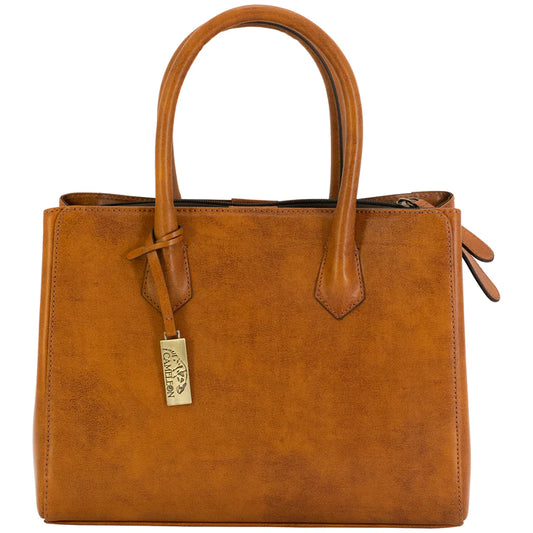
You do not have to choose between a polished leather tote and responsible carry. You do have to choose features that serve both. A well-designed concealed carry purse can blend into your wardrobe while giving your firearm a protected, dedicated home. That is what fashionable protection should feel like: refined on the outside, ready where it counts.
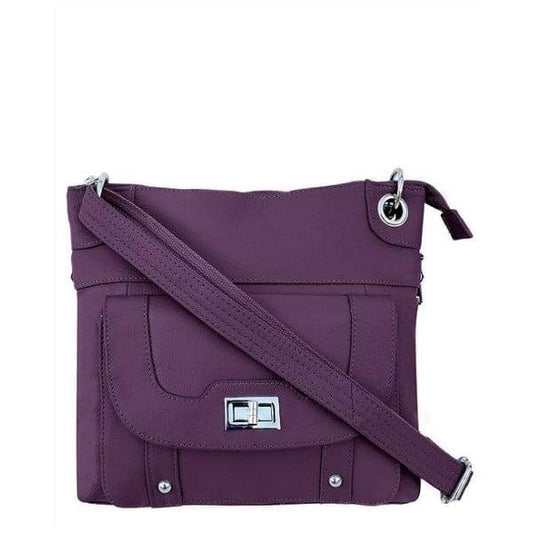
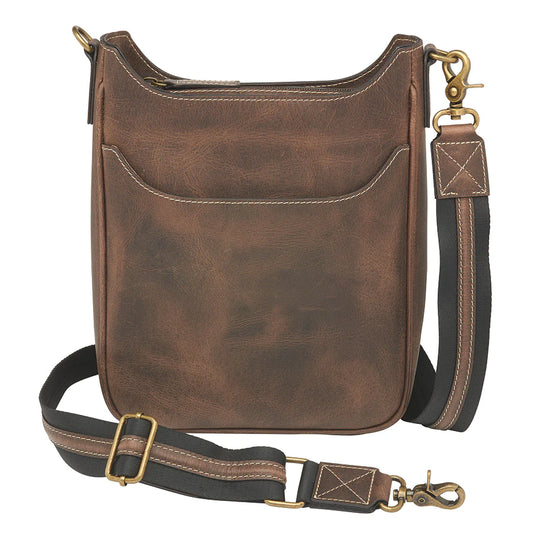
Size matters here. A compact crossbody may keep the bag close and manageable, while a larger tote may better suit work essentials, a diaper bag routine, or longer days away from home. Bigger is not automatically better. Choose the smallest style that holds what you genuinely need without turning the carry compartment into an afterthought.
Carry with the quiet confidence of someone who has made thoughtful choices. A secure holster, a controlled bag, regular checks, and honest practice let your purse remain what it should be: a beautiful part of your life that supports your independence, not a compromise to it.