





Premium craftsmanship

“Love the company and the woman who runs it The bags/purses are great quality and are very stylish! 10/10 definitely recommend!!”



A beautiful handbag should not force you to choose between looking put together and feeling prepared. Purse holsters give women a discreet way to carry a protected firearm in a bag that still belongs with their workwear, weekend denim, or favorite dress. The right setup feels intentional, not tactical - because fashionable protection should support your life, not interrupt it.
Carrying in a purse does come with a different set of responsibilities than carrying on the body. Your bag must stay under your direct control, the firearm needs its own secure space, and your choice of purse has to match the realities of your daily routine. When those pieces come together, a concealed carry purse can be a confident, polished option for the woman who refuses to surrender her style or her self-reliance.
A purse holster is a dedicated holster or holster panel inside a concealed carry handbag, backpack, sling, tote, or waist pack. It is designed to hold a handgun in a consistent position within a separate compartment, away from everyday essentials such as keys, cosmetics, chargers, and wallets.
That separation is not a small detail. A standard handbag pocket is not a safe substitute for a holster. Loose items can shift, press against controls, and make it difficult to maintain a reliable draw orientation. A purpose-built concealed carry compartment gives the firearm a defined home while keeping your personal items organized on the other side of the bag.
Most quality purse holsters use adjustable hook-and-loop positioning, a secure holster attachment, or a dedicated panel that accommodates different firearm sizes. The best fit keeps the firearm stable and covered at the trigger guard. It should not flop, rotate, or get buried beneath the contents of your bag.
The most stylish option is only the right option if you will genuinely carry it. Start with the bag shape and carrying style that already fits your routine. A commuter who moves between parking lots, offices, and public transit may prefer a crossbody with a close-to-body profile. A mom who needs room for daily essentials may gravitate toward a tote or diaper bag with a separate lockable carry compartment. For hands-free errands, a sling bag or waist pack can feel more natural.
Size matters, but bigger is not automatically better. Your carry compartment should fit your firearm and holster without excess movement, while the overall bag should fit comfortably against your body. An oversized tote can hold plenty, yet it may be awkward to keep close in a restaurant, dressing room, or busy checkout line. A compact crossbody can be easier to manage, though it may limit what you can carry elsewhere in the bag.
The material should serve your lifestyle too. Leather offers structure, durability, and a classic finish that moves easily from weekday meetings to dinner plans. Lightweight materials may make sense for travel, long days out, or anyone who prefers less weight on the shoulder. Hardware, zipper quality, reinforced straps, and clean stitching all matter because this is a bag you will rely on every day.
The carry compartment should be separate from the main handbag area and sized for safe, consistent storage. Look for a design that opens in a predictable way and allows you to access the holstered firearm without reaching through loose belongings.
Lockable zippers can add another layer of security, particularly in homes with children or when the bag may be set down briefly within your control. They are not a replacement for responsible storage, careful supervision, or applicable safe-storage practices. They are simply one useful feature in a larger safety plan.
A purse holster must be configured for your dominant hand and the way you wear the bag. Right- and left-handed access, zipper placement, and the direction of the holster all affect whether the setup is practical for you. Do not assume a pretty bag will automatically work for your carry style.
Practice with an unloaded firearm, following all firearm safety rules and the manufacturer’s guidance, can help you confirm that the compartment opens as expected and that the holster stays where it belongs. If the process feels clumsy, slow, or inconsistent, reconsider the bag, holster placement, or carry method. Confidence is built on familiarity, not wishful thinking.
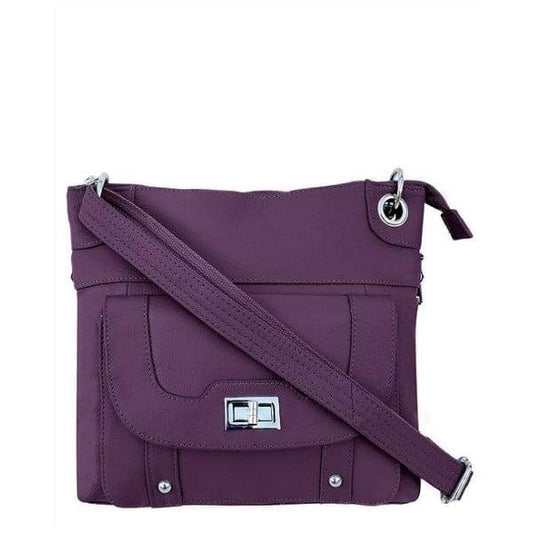
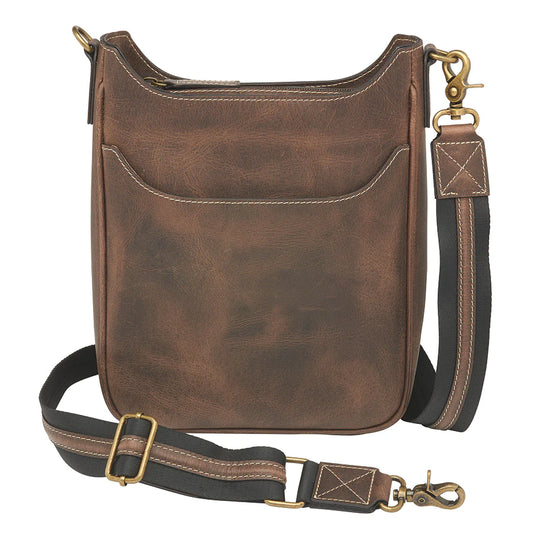
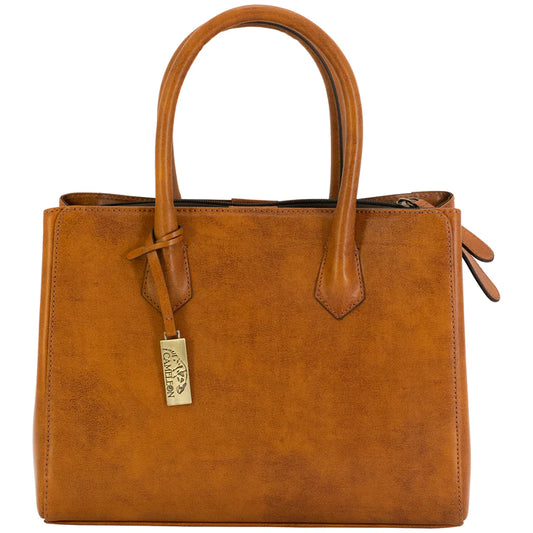
A concealed carry bag does not need to announce what it does. In fact, understated styling is part of the appeal. You can find refined satchels, crossbodies, backpacks, totes, and slings with everyday colors, polished hardware, thoughtful interior storage, and a discreet carry compartment that blends into the design.
When comparing options, prioritize these five features:
Off-body carry asks more of you than a holster attached to your person. A purse can be left in a shopping cart, placed beside a chair, or handed to someone who does not know what is inside. That means the bag cannot become an object you casually set down and forget.
Keep it on your body or in your immediate physical control. Avoid hanging it on a chair, storing it in an unattended vehicle, or placing it where a child, guest, or stranger could access it. If your daily responsibilities make that level of control difficult, an on-body holster may be a better fit for certain situations. There is no one carry method that works perfectly for every woman, every outfit, and every environment.
Training matters as much as the purse itself. Understand your local, state, and federal laws, including any restrictions on where firearms may be carried. Seek reputable instruction that covers safe handling, situational awareness, storage, and the legal and emotional responsibilities of defensive firearm ownership. A fashionable carry bag is a valuable tool, but it is not a substitute for judgment and preparation.
Women have long been told that practical gear has to look oversized, masculine, or obviously tactical. That idea is outdated. A well-designed concealed carry purse can complement your wardrobe while giving you the peace of mind that comes from being prepared.
Consider the colors and silhouettes you wear most. Black leather offers easy versatility, while rich brown, cognac, navy, or neutral shades can feel equally timeless. A structured satchel may suit a more polished professional wardrobe. A soft crossbody can be ideal for casual days. A backpack can make sense for travel, work, or active family schedules. The right choice should look like it belongs to you, not like an accessory you are tolerating for safety.
Hiding Hilda believes Fearless Women deserve options that honor both strength and personal style. Your bag can be feminine, refined, and ready for real life at the same time.
Once you choose a purse holster, establish a simple routine. Confirm that the firearm is securely holstered, the carry compartment is closed, and the bag is under your control before leaving home. Keep the compartment clear of loose items. Check straps, zippers, and holster attachment points regularly, especially if the bag gets daily use.
Your personal protection does not need to look loud to be serious. Choose a carry solution that fits your body, your wardrobe, and your responsibilities - then wear it with the steady confidence of a woman prepared to be her own hero.