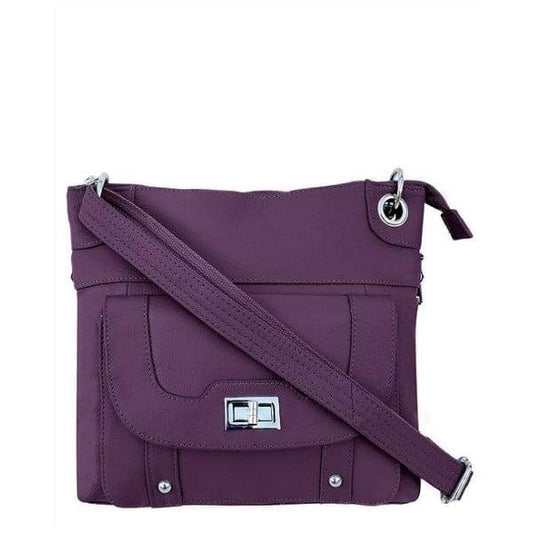

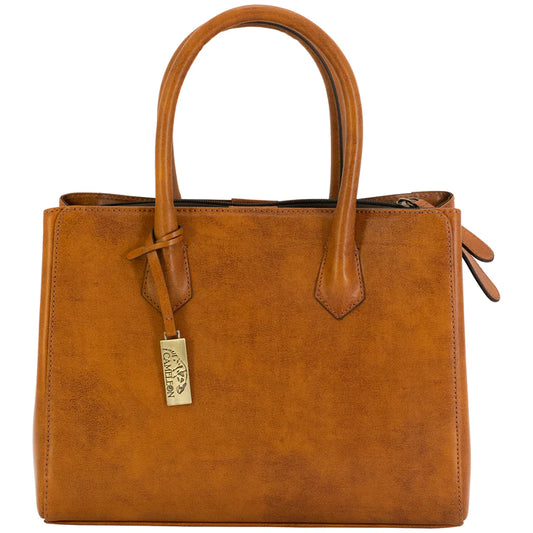
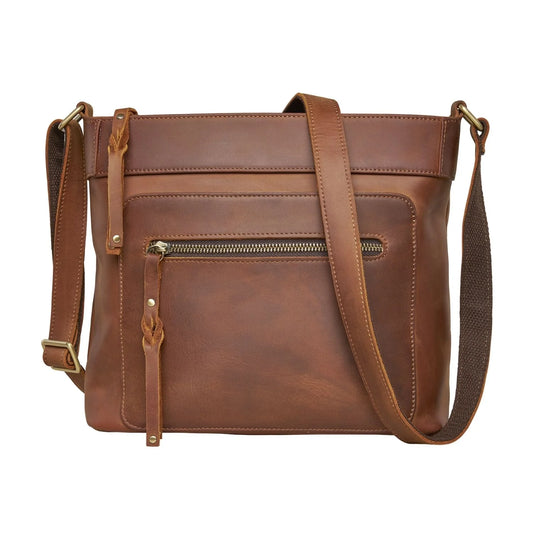


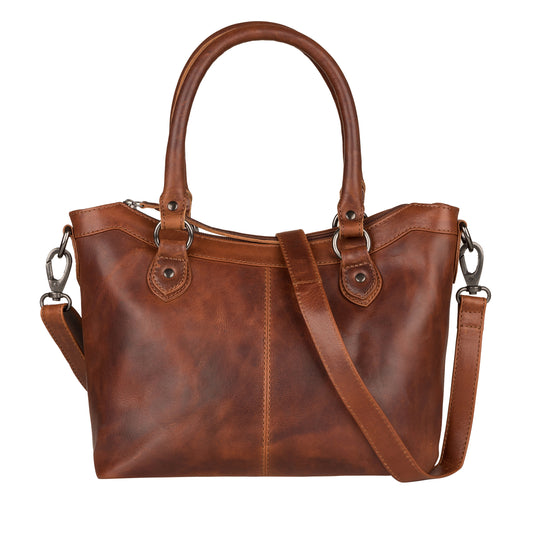


Premium craftsmanship

“Love the company and the woman who runs it The bags/purses are great quality and are very stylish! 10/10 definitely recommend!!”



A crossbody should make you feel polished, prepared, and in control - not leave you fighting a strap when seconds matter. Learning how to wear crossbody for quick draw starts with placement, but it also requires a purpose-built concealed carry bag, a protected trigger, and responsible practice. Fashionable protection works best when it is worn with intention.
A crossbody carry setup is different from carrying on the waistband. Your bag moves with your body, your clothing changes by season, and crowded spaces can affect how easily you can keep the bag in its proper position. The goal is not to make your bag look tactical. It is to create a consistent, secure carry routine that supports safe access while keeping your personal style intact.
Not every beautiful crossbody is built to carry a firearm safely. A regular handbag may have plenty of room, but loose items, soft walls, open interiors, and unprotected zippers create serious problems. Your firearm should never share space with lipstick, keys, a wallet, or anything that can enter the trigger guard.
Choose a crossbody with a dedicated concealed carry compartment, a secure closure, and an internal holster designed to hold your specific firearm firmly in place. The compartment should be separate from your everyday essentials and positioned so the bag stays balanced when worn. A lockable compartment can add peace of mind around children, visitors, or moments when your bag must be stored responsibly.
A quality leather crossbody can give you that refined, everyday handbag look while still delivering firearm-ready function. The best option is the one that fits your body, wardrobe, daily routine, and handgun - not simply the one with the most pockets.
For a right-handed carrier, wear the strap over your left shoulder with the bag resting on the front-right side of your torso. For a left-handed carrier, reverse that orientation. This places the concealed carry compartment on your strong-hand side while the diagonal strap helps keep the bag from swinging away as you move.
Keep the bag on the front of your body or slightly forward of your strong-side hip. A bag worn too far behind the hip can be difficult to reach and easier for someone else to grab. A bag centered directly over the stomach may be secure, but it can feel bulky when seated and may not offer the most natural access angle. Most women find that a slightly off-center placement feels both comfortable and discreet.
The right strap length matters more than many carriers realize. If the bag hangs too low, it can swing when you walk, catch on a chair, or shift out of your preferred access zone. If it rides too high, it may feel awkward against the ribcage and print beneath a fitted jacket. Adjust the strap so the bag rests snugly against your body without restricting movement or pulling at your shoulder.
Before leaving home, check that the dedicated compartment is facing the intended direction and that its opening is not hidden by the strap, an oversized scarf, or a bulky outer layer. A crossbody is only quick to access when you wear it the same way every time.
Quick access never means careless access. Your firearm needs to remain protected, stable, and under your control through errands, commuting, school pickup, and everything in between.
First, use the holster that came with the bag or a compatible holster made for the compartment. It should fully cover the trigger guard, retain the firearm securely, and keep the grip oriented consistently. Never place a firearm loose in a purse compartment.
Second, keep the carry compartment dedicated. Do not tuck a receipt, spare change, a pen, or any other item inside because there seems to be extra room. Small objects shift. Zippers snag. A clean compartment is a safer compartment.
Third, maintain physical control of your crossbody. Keep it on your body in public rather than setting it in a shopping cart, hanging it on a chair, or placing it in the passenger seat. If you need to remove it, secure it according to your household safety plan and local laws.
Finally, inspect the bag often. Look for worn stitching, a loose strap adjustment, damaged zipper teeth, weakened magnets, or holster attachment points that have shifted. Beautiful craftsmanship should also be dependable craftsmanship.
A crossbody bag gives you more wardrobe freedom than some on-body holsters, but your outfit still affects comfort and consistency. Thick winter coats, blazers, long cardigans, and oversized scarves can cover or interfere with your carry compartment. On warm days, lighter fabrics may make the bag more noticeable against the body.
You do not need to give up fitted dresses, denim, office wear, or a favorite jacket. You do need to check your setup while wearing the clothes you actually plan to wear. Stand, sit in the car, bend to pick something up, and walk around your home. Notice whether the bag rotates, slides, or feels difficult to keep in position.
Some carriers prefer a structured bag that holds its shape through a busy day. Others prefer a lighter crossbody for travel, school activities, or long hours on their feet. There is no single right answer. The right choice is one you can wear securely and comfortably enough to keep it on your body.
A stylish concealed carry bag can support confidence, but confidence should come from training, not from the bag alone. Seek instruction from a qualified firearms instructor who can help you practice safe carry, safe presentation, judgment, and legal responsibilities for your state.
Use only a verified unloaded firearm and a safe training environment when practicing bag access at home, following all firearm safety rules. Focus on establishing a consistent carry position, keeping the bag controlled, and avoiding any habit that compromises muzzle awareness or trigger safety. Training should be calm and deliberate. Speed comes later, and only when safety is already solid.
It also helps to rehearse the moments before you ever access a firearm. Create distance when possible. Move toward an exit. Use your voice. Call 911. Personal protection is about having options, not treating every difficult moment as a firearms moment.
The most common mistake is treating a concealed carry crossbody like any other purse. A firearm-ready bag demands more attention because it carries more responsibility. Avoid switching the bag from side to side throughout the day, changing the firearm orientation, or allowing friends and family to handle it casually.
Another mistake is choosing a bag based on appearance alone. Style matters - you deserve a bag that feels like you - but function must lead the decision. Make sure the concealed compartment works with your hand dominance, firearm size, and preferred daily carry position.
Do not confuse fast access with an exposed or unsecured bag. Leaving a compartment partially open, skipping a holster, or using a bag with weak retention can create risks that outweigh any convenience. The most effective setup is predictable, protected, and practiced.
A crossbody can be a powerful part of a prepared lifestyle because it keeps your essentials close while fitting naturally into the way you already dress and move. With the correct bag, proper placement, and responsible training, you do not have to choose between feminine style and readiness.
Be Your Own Hero by carrying with awareness, respecting the responsibility of your firearm, and choosing gear that helps you move through the day with confidence. Your crossbody should complement your strength - never replace it.