

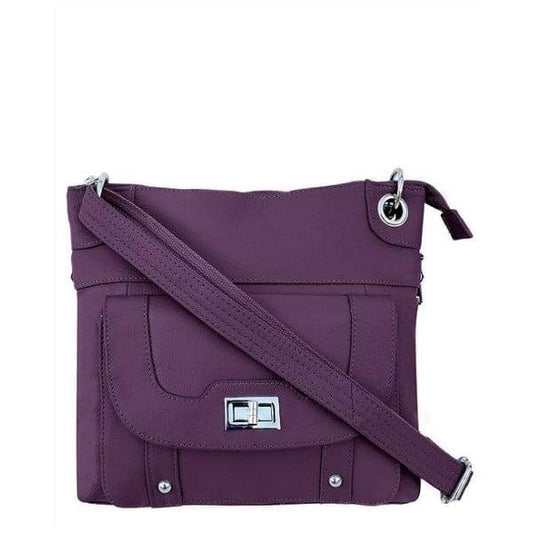

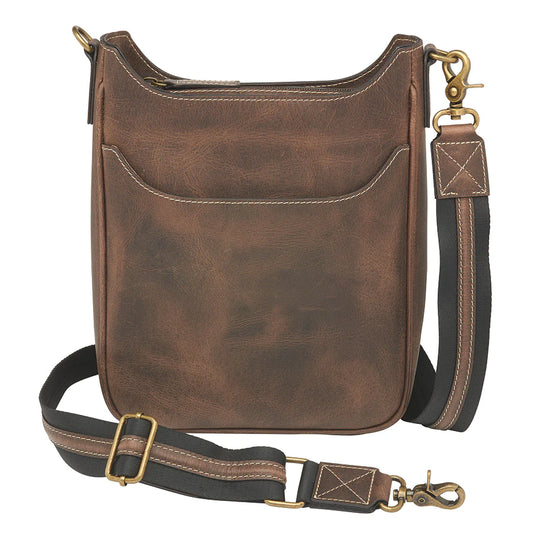


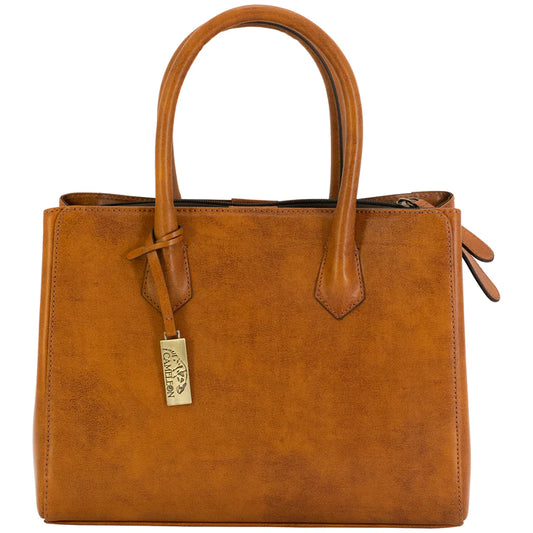

Premium craftsmanship

“Love the company and the woman who runs it The bags/purses are great quality and are very stylish! 10/10 definitely recommend!!”



A concealed firearm should never be something you hunt for at the bottom of a bag, shift around while driving, or leave accessible because you plan to be right back. Knowing how to access firearm safely means building a routine that protects your readiness without giving up control. That balance is what fashionable protection is really about: calm, capable, and prepared.
For women who carry, access is not only about speed. It is about secure placement, consistent habits, situational awareness, and choosing a carry solution that works with real life. School pickup, grocery runs, long commutes, crowded events, and everyday errands all create different conditions. Your firearm needs to stay protected from unauthorized hands while remaining available to you if a lawful, life-threatening emergency demands it.
Safe access begins with storage. When your firearm is not on your person, it should be secured against unauthorized access, especially in homes with children, teens, visitors, or service workers. A quality lockbox, safe, or other secure storage solution is not a sign that you are less prepared. It is part of being the responsible adult in the room.
Before carrying, make a deliberate choice about where the firearm will live for the day. A consistent location reduces confusion and helps prevent careless handling. Whether you carry on-body or in a dedicated concealed carry handbag, sling, backpack, or waist pack, the firearm should have its own purpose-built compartment or holster that covers the trigger guard and keeps it oriented consistently.
A loose firearm inside a standard purse is not concealed carry. It can shift under a wallet, cosmetics, keys, or snacks, and those items can interfere with safe handling. The right carry accessory does more than match your outfit. It creates separation, retention, and predictable access when seconds feel long.
Off-body carry can be a practical choice for women who need room for work essentials, parenting gear, or daily necessities. It also asks more of you. Your bag is only secure when it is physically under your control.
Choose a bag with a dedicated, lockable concealed carry compartment rather than an open interior pocket. The compartment should separate the firearm from everything else you carry and should accommodate a holster designed for that compartment. Look for a design that holds the firearm in a stable position instead of allowing it to rotate or slide.
Just as important, establish a non-negotiable rule: your concealed carry bag stays with you. Do not place it in a shopping cart, leave it under a restaurant table, hang it on a stroller, or set it in a shared office drawer. If you must take it off, secure it in a manner that prevents access by anyone else and complies with applicable laws and facility rules.
The same principle applies at home. A carry purse does not become a safe simply because it is zipped. When you arrive home, either keep it directly on your body and in your control or secure the firearm appropriately. A stylish bag can fit beautifully into your life, but control is the feature that makes it a responsible carry choice.
Pressure exposes weak routines. The goal is not to create drama around carrying. The goal is to make safe decisions automatic before you ever need them.
Use a quick check before leaving home and whenever your routine changes:
A routine also includes your clothing. If you carry on-body, make sure your holster is secure and your cover garment allows safe, consistent access without snagging. If you carry in a bag, avoid overfilling the bag or changing the firearm compartment into a catch-all space. Fashion should support your carry plan, not compete with it.
Children are curious. Guests may be unfamiliar with firearms. Even well-meaning friends can make assumptions when they see a handbag on a chair. Responsible carry means planning for the moments when your attention is divided.
Talk with children in age-appropriate terms about firearm safety, but do not rely on a conversation alone. Layers matter: secure storage, controlled access, a dedicated holster or compartment, and clear household expectations all work together. If a child or another unauthorized person gains access to your firearm, the problem is not that they were curious. The problem is that the safeguards failed.
Be especially thoughtful during transitions. Arriving home with groceries, stepping into a fitting room, visiting a friend, going to the restroom, and getting in or out of a vehicle are common moments when people set down bags without thinking. Create a personal rule for each situation before it happens. For example, if you cannot keep your bag physically controlled, it is time to use lawful secure storage rather than improvising.
A range session is valuable, but safe concealed carry requires more than knowing how your firearm functions. You need training that reflects how you carry in everyday life. The process is different when your firearm is in a handbag, beneath a jacket, or secured in a vehicle storage solution.
Seek qualified, reputable instruction that addresses safe drawing, reholstering, retention, legal use of force, conflict avoidance, and your specific carry method. Practice should happen only in a safe, lawful setting under appropriate supervision and according to the instructor's guidance. Never experiment with access techniques around children, in public, or while distracted.
Training should also reinforce a truth that confident carriers understand: the firearm is not your first answer to every uncomfortable moment. Awareness, distance, verbal boundaries, leaving early, calling for help, and de-escalation can be smarter and safer choices. Carrying responsibly means knowing that avoiding a confrontation is often the strongest move you can make.
Vehicles create a unique problem because a purse may not stay on your body while you drive. Tossing a carry bag onto the passenger seat or floorboard can leave it visible, unstable, and reachable by someone who enters the vehicle.
Before driving, decide where your firearm and carry bag will be secured during the trip. The best choice depends on your vehicle, your carry method, who is riding with you, and the laws where you are traveling. What matters is that the firearm remains controlled, concealed from view, and inaccessible to passengers who are not authorized to handle it.
Never leave a firearm unsecured in a parked vehicle. Vehicle break-ins happen quickly, and an unattended firearm can become a serious danger to your community. If you must leave it behind, use a lawful, purpose-built locking storage option that is secured to the vehicle when possible. Then return directly to the vehicle rather than making extra stops.
There is no single best way to carry for every woman. An on-body holster may offer the highest level of retention for one person, while a lockable concealed carry crossbody or backpack may better fit another woman's workday, mobility needs, or wardrobe. The right choice is the one you can control consistently, use safely, and legally maintain through every part of your day.
Hiding Hilda believes personal protection does not have to look tactical to be serious. A refined leather handbag, a polished crossbody, or a practical backpack can support a responsible carry plan when its concealed compartment is purpose-built, its design fits your lifestyle, and your habits stay disciplined.
Be Your Own Hero by treating access as a responsibility, not a shortcut. Carry with intention, train with humility, secure your firearm every time it leaves your hand, and choose protection that lets you move through the world with both confidence and care.