

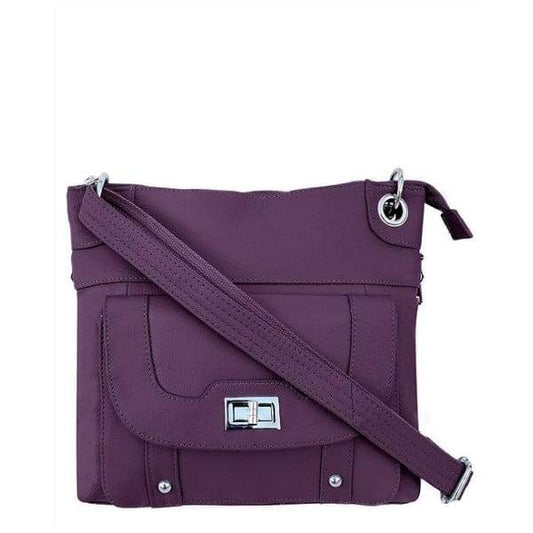

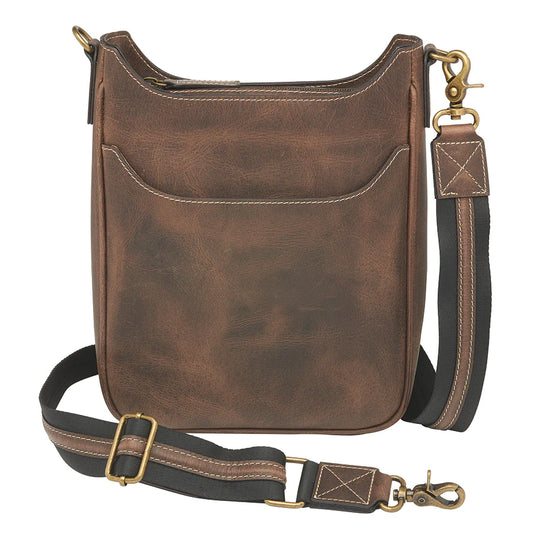


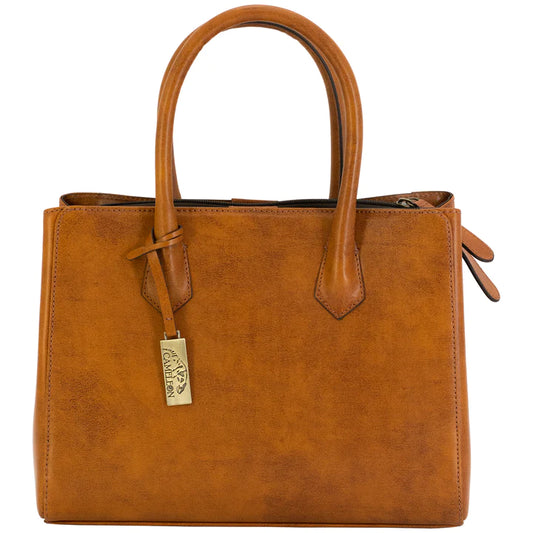

Premium craftsmanship

“Love the company and the woman who runs it The bags/purses are great quality and are very stylish! 10/10 definitely recommend!!”



A beautiful concealed carry purse can be part of your everyday confidence, but it is not a shortcut around the law. Purse carry laws can change the moment you cross a state line, enter a school zone, visit a government building, or set your bag down where someone else can reach it. Fearless Women carry with style, yes, but also with clear eyes, steady habits, and respect for the responsibility inside the bag.
This is a practical starting point for understanding what affects purse carry legality in the United States. It is educational information, not legal advice. Firearm laws move quickly, and the rules that apply to you depend on your state, your permit status, your destination, and the details of your situation.
In many states, carrying a handgun in a purse is treated as concealed carry because the firearm is hidden from ordinary view. That does not mean every state defines it exactly the same way, or that every method of purse carry receives the same treatment under local rules.
The first question is whether you may legally carry a concealed handgun where you are. Some states require a concealed carry permit. Others allow eligible adults to carry concealed without a permit, often called permitless or constitutional carry. Even in permitless-carry states, a permit can still matter when traveling, for reciprocity with another state, or when a particular location has its own rules.
Do not assume that a purse makes a firearm “less carried” than a waistband holster. If the gun is on your person or immediately available in your bag, the law may view it as a concealed firearm. The bag is an accessory, not a legal exception.
A state may permit concealed carry while also limiting where you can carry. Those location-based restrictions are where responsible everyday carriers need to stay alert.
Common restricted locations may include schools and school grounds, courthouses, police stations, secured areas of airports, federal facilities, correctional facilities, and certain public meetings. Rules involving colleges, places of worship, bars and restaurants, parks, public transportation, and medical facilities vary dramatically by state and sometimes by city or county.
Private-property rules matter, too. A store, office, venue, or restaurant may prohibit firearms. Whether a posted sign carries criminal penalties, creates a trespass issue only after notice, or has another legal effect depends on the jurisdiction. A sign that looks familiar from your home state may mean something entirely different on a road trip.
For purse carriers, this can call for more planning than simply walking out with your bag. Before an appointment, concert, school event, or new workplace visit, know the rules at the destination. If carry is prohibited, do not try to solve the problem by slipping the purse into a large tote, covering it with a sweater, or assuming nobody will notice. Discretion is not permission.
Federal law can apply even when state law is otherwise favorable to carry. Post offices, federal courthouses, many federal buildings, and secured airport areas are examples where firearms can be prohibited. National parks and other federally connected places can involve rules that are more nuanced, especially when state law and federal facilities overlap.
When the setting is federal, do not rely on a friend’s advice, an old social media post, or what you did years ago. Verify before you go.
A weekend away can turn into a legal patchwork fast. Your permit may be recognized in one state and not recognized in the next. One state may allow permitless concealed carry for eligible adults, while a neighboring state may require a permit and impose different rules for nonresidents.
This is why reciprocity matters. Before traveling, check whether your permit is recognized in every state on your route, not only at your final destination. Also review the rules for vehicle carry, required storage, prohibited places, and any duty to inform law enforcement during a traffic stop.
If your route includes a state where you cannot legally carry the firearm in your purse, transportation rules may still allow a method of unloaded, secured storage. But those protections have conditions. The firearm may need to be inaccessible, locked in a container, or stored separately from ammunition, depending on the circumstances and applicable law. Your purse should not become a casual vehicle-storage solution just because you are making a quick stop.
Air travel requires even more care. A firearm cannot go through a TSA security checkpoint in a carry-on purse. When flying, firearms generally must be unloaded, declared, and packed in a hard-sided locked case in checked baggage, subject to airline and federal requirements. Your fashion-forward carry bag belongs in your personal-item routine, not in the process of trying to bypass transportation rules.
A quality concealed carry purse gives you a dedicated firearm compartment, but the bag still needs to stay under your direct control. This is where purse carry differs from carrying on-body.
A purse can be placed in a shopping cart, hung over a restaurant chair, tucked beside a stroller, left in a vehicle, or handed to a friend for “just a second.” Each of those moments can create a safety problem. Depending on your state, unsecured access by a child or prohibited person can also create serious legal consequences.
Choose a purse designed with a separate, purpose-built concealed carry compartment. Look for a lockable compartment, a holster that secures the firearm in a consistent position, and a design that keeps the trigger protected. A dedicated compartment helps prevent the handgun from mixing with lipstick, keys, pens, chargers, and everything else real life puts in a handbag.
A firearm should never float loose in a purse. Not because it is untidy, but because an unsecured trigger area and shifting contents are unacceptable risks. The best bag supports a disciplined carry system: firearm in the same position, same orientation, and same compartment every time.
If children are in your home, car, or daily routine, purse security needs to be nonnegotiable. Keep the bag on your body or in your immediate possession. When it must come off, secure it in a way that prevents unauthorized access. A lockable carry compartment is useful, but it does not replace attentive supervision and secure home storage.
The same thinking applies around guests. Your purse is personal, but a firearm inside it changes the stakes. Do not leave it unattended in an entryway, on a bed, or beside a chair where a curious visitor can access it.
Purse carry is not simply waistband carry with a prettier exterior. The draw is different, the angles are different, and clothing, zippers, straps, and bag position can affect access. Training should reflect the way you actually carry.
Practice with an unloaded firearm in a safe environment and follow all firearm safety rules. Work on establishing a proper grip, clearing the compartment, avoiding the trigger until you are on target and ready to fire, and reholstering deliberately. If you are new to concealed carry, qualified instruction can help you build safe habits before you rely on a purse in public.
Also be honest about access. A large tote may fit your workday beautifully, but it may not be the fastest option for a rushed walk from the parking lot. A crossbody can keep your bag closer to your body, while a backpack may offer capacity but requires extra thought about control and access. There is no single best style. There is only the style you can secure, carry consistently, and use responsibly.
Before you carry, confirm four things: you are legally allowed to carry where you are going, the firearm is secured in its dedicated compartment, the purse will stay under your control, and you have a plan if you enter a prohibited location.
That last point deserves respect. If you discover that carry is not allowed, do not leave a firearm unattended in a vehicle unless you can do so lawfully and securely. Vehicle break-ins are a real concern, and local storage laws can add another layer of responsibility. Planning ahead is always better than improvising in a parking lot.
Check current official state resources before carrying in a new jurisdiction, after moving, before traveling, or whenever laws change. If you have questions about eligibility, past convictions, protective orders, permit conditions, workplace policies, or a specific location, speak with a qualified attorney or a knowledgeable local firearms instructor who stays current on the law.
Your concealed carry purse can be polished, feminine, and beautifully made. It can also be a serious piece of safety equipment. Carry it with the confidence of a woman who knows that fashionable protection works best when preparedness and responsibility go everywhere she does.