

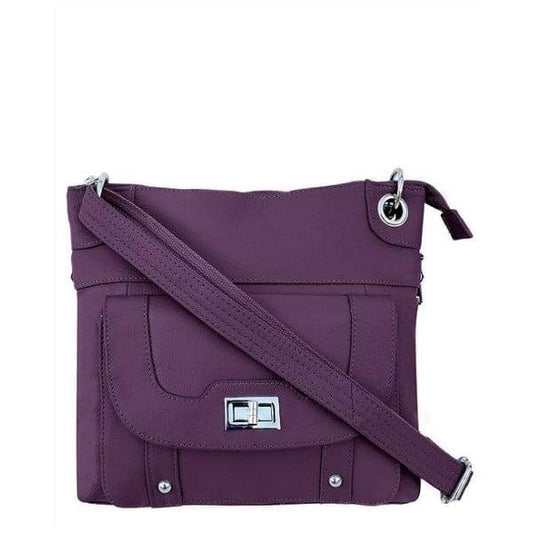

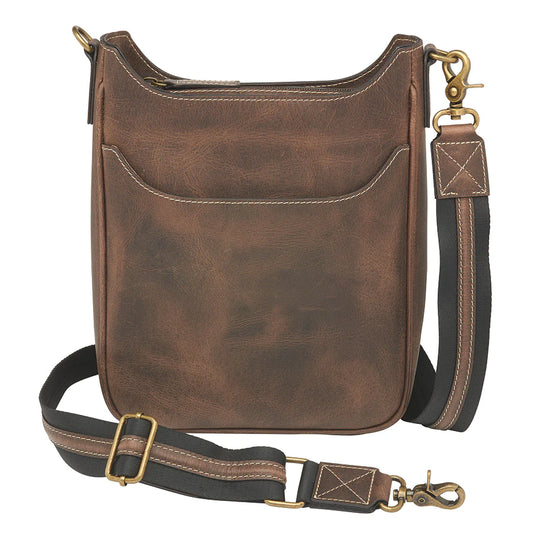


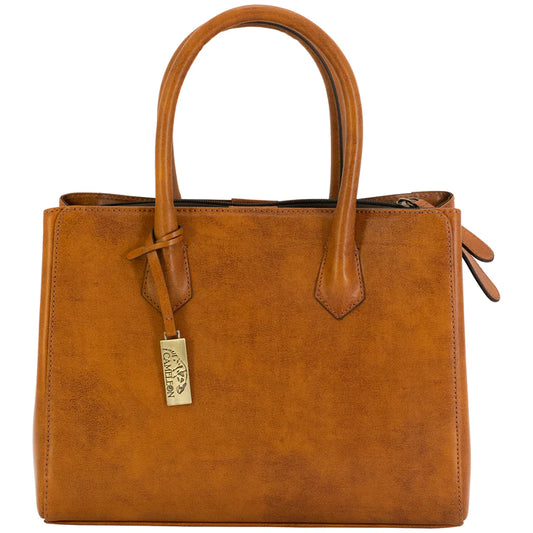

Premium craftsmanship

“Love the company and the woman who runs it The bags/purses are great quality and are very stylish! 10/10 definitely recommend!!”



Your carry bag does more than complete an outfit. It supports a personal protection choice you make for yourself and the people who count on you. This firearm carry bag maintenance guide helps you protect that investment while keeping your bag clean, functional, discreet, and ready for real life.
A beautiful concealed carry purse, backpack, sling, or waist pack should never become a forgotten accessory at the bottom of a closet. Daily use brings friction, spills, changing weather, loose receipts, makeup dust, and wear on the areas that matter most: the dedicated firearm compartment, holster, zipper, lock, straps, and hardware. A few intentional habits can keep your bag looking polished and performing the way it should.
Before cleaning, inspecting, or reorganizing any firearm carry bag, remove the firearm and follow safe firearm-handling practices. Confirm the firearm is unloaded and secure it in an appropriate location before you work on the bag. Never clean around a loaded firearm, and never treat the carry compartment like an ordinary purse pocket.
Once the compartment is empty, remove the holster if your bag allows it. Shake out lint, crumbs, and debris, then use a soft, dry cloth or a low-suction handheld vacuum around seams and corners. Keep moisture, cleaning sprays, and oily products away from the holster and the compartment's interior unless the bag maker specifically approves them.
This is also the right moment to check the one rule that makes off-body carry more responsible: the firearm compartment stays dedicated. Keys, lipstick, loose coins, charging cables, and snacks do not belong beside your firearm. They can interfere with access, snag on a draw, or work their way into places they should never be.
The right cleaning routine depends on your bag's material. Leather needs conditioning and restraint. Nylon, faux leather, and canvas generally tolerate a little more surface cleaning, but harsh chemicals are a poor choice for any carry bag.
For leather, wipe the exterior with a clean, slightly damp microfiber cloth after regular use. If there is a spot or smudge, use a leather cleaner made for finished handbag leather, testing it first in a hidden area. Let the bag air-dry naturally, away from direct sun, heaters, or a hot car. Excess heat can dry leather, alter its color, and weaken finishes.
Condition leather only when it feels dry or begins to lose its suppleness. Too much conditioner can leave a tacky surface that attracts dust and can soften structured areas that help a bag hold its shape. A light application a few times a year is often enough, though dry climates and frequent use may call for closer attention.
For fabric or synthetic bags, start with a damp cloth and mild soap. Blot instead of scrubbing, especially around decorative trim and stitched edges. Avoid soaking the bag. Water that reaches interior foam, reinforcement panels, or the carry compartment may take a long time to dry and can create odor or mildew.
A concealed carry bag can be fashionable without compromising function. The firearm compartment deserves a quick inspection every week, especially if you carry every day or rotate among several bags.
Check the interior lining for torn stitching, loose threads, worn hook-and-loop panels, or areas where a holster has begun to shift. The holster should hold the firearm securely, maintain trigger protection, and stay positioned for a consistent draw. If it moves, curls, loses its grip, or no longer provides proper coverage, stop carrying with that setup until it is corrected or replaced.
Pay attention to the access zipper as well. It should travel smoothly from end to end without catching on lining or fabric. Do not force a sticky zipper. First remove debris with a soft brush, then inspect whether the zipper tape is folded, frayed, or caught in a seam. A damaged zipper is not merely inconvenient when it protects your dedicated carry space.
If your bag has a lockable compartment, test the lock periodically with the bag empty. Make sure the key, combination, or locking mechanism works as intended. Locks help deter unauthorized access, particularly around children or in shared environments, but they do not replace secure storage practices or awareness of where your bag is at all times.
Your bag's straps carry the weight, and your hardware handles the repetition. A lovely tote with a weakening strap or a crossbody bag with a failing swivel clip can turn into a safety and security problem fast.
Once a month, inspect these four areas:
For metal hardware, use a dry microfiber cloth to remove fingerprints and moisture. Skip abrasive polishes that can strip protective finishes or transfer residue onto leather and fabric.
A concealed carry bag is not a challenge to see how much you can fit inside. It is a tool for moving through the day with confidence. When your main compartment gets overloaded, the bag can lose its shape, pull on straps, and make access less predictable.
Use interior pockets for the items you reach for most, such as your phone, wallet, and keys. Keep liquids tightly sealed and away from the firearm compartment. If you carry a water bottle, hand sanitizer, or cosmetics, place them where a leak cannot reach leather, lining, or defensive equipment.
Be especially mindful of bags that double as work bags, diaper bags, or travel companions. These styles offer welcome capacity, but more contents create more opportunities for clutter and unwanted access. When children are present, maintain direct control of the bag and use all available locking features. Responsible carry means planning for the moments when your attention is divided.
Do not store a carry bag on the floor of a closet, in a damp basement, or inside a plastic bin that traps moisture. Empty it, wipe it down, and store it upright with light stuffing in the main compartment to preserve its shape. Keep the firearm compartment empty during storage unless you are actively carrying according to your personal safety practices and applicable laws.
A dust bag or breathable cotton pillowcase can protect leather from scratches while allowing airflow. Avoid hanging a heavy bag by its straps for long periods, since this can distort the handles and stress attachment points. For backpacks and slings, loosen adjustable straps slightly before storage so the webbing and buckles are not kept under unnecessary tension.
If the bag gets caught in rain, dry it as soon as you can with a soft cloth and allow it to air-dry fully before storing it. Never use a hair dryer or place it near a radiator. Patience protects the finish better than heat ever will.
Some wear is cosmetic. A softened leather edge or a small surface scuff may add character to a well-loved bag. Other issues demand action: a compromised holster, broken access zipper, torn carry-compartment seam, failed lock, or strap damage is a reason to take the bag out of service.
Your carry method should support a secure firearm, reliable trigger coverage, controlled access, and a consistent presentation. If your bag no longer does that, style alone is not a reason to keep using it. Fearless women make practical calls before a small concern becomes a serious one.
Treat your carry bag with the same care you give the rest of your preparedness routine. A clean silhouette, organized interior, secure compartment, and dependable hardware let you carry fashionable protection with the confidence to Be Your Own Hero wherever the day takes you.