

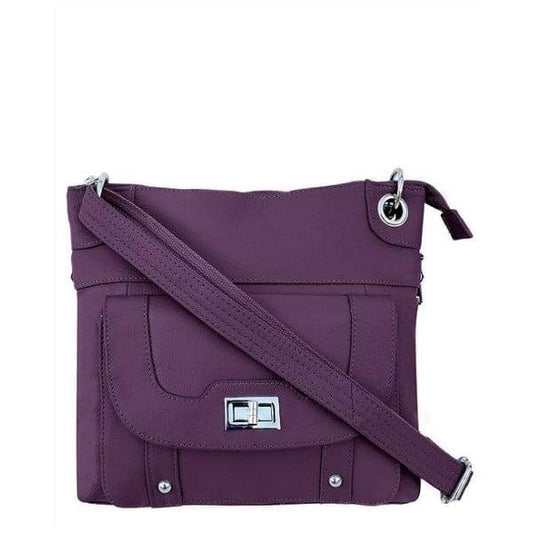

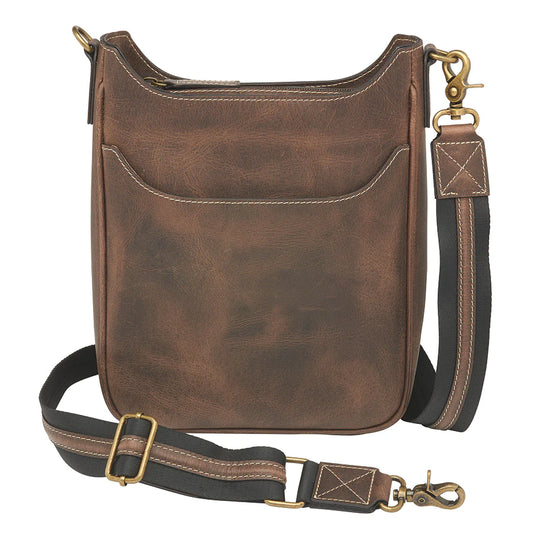


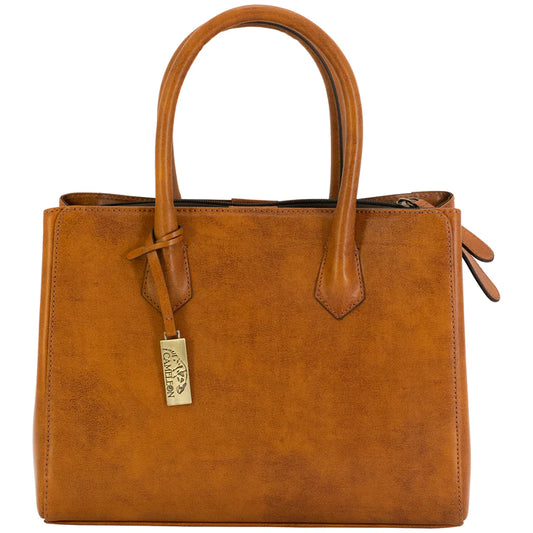

Premium craftsmanship

“Love the company and the woman who runs it The bags/purses are great quality and are very stylish! 10/10 definitely recommend!!”



A beautiful bag should not become a black hole the moment you leave the house. When you know how to organize everyday carry bag essentials, you spend less time digging for keys, more time moving with purpose, and keep your personal protection setup where it belongs: discreet, secure, and accessible. The goal is not to carry everything. It is to carry what supports your day with confidence.
Before moving a single item, think about the places your bag goes. A work commute, school pickup, a grocery run, and a weekend outing all require different things. Your everyday carry should reflect your real routine, not a fantasy version of a perfectly prepared life.
A crossbody may be ideal when you need hands-free mobility. A tote gives you room for work gear or family essentials, while a backpack can distribute weight more comfortably during a long day. The right bag is the one you can carry consistently, keep close, and use without fighting its design.
If your bag includes a dedicated concealed carry compartment, treat that compartment as its own protected zone from the beginning. It is not bonus storage for lip balm, receipts, or earbuds. Its purpose is quick, controlled access to your secured firearm.
The easiest way to organize an everyday carry bag is to give every item a home based on how quickly you need it and how private it should remain. You do not need a dozen organizers to make this work. A thoughtful bag with pockets, zippered sections, and a dedicated carry compartment does much of the work for you.
These are the items you reach for several times a day: phone, keys, wallet, sunglasses, and possibly lip balm or hand sanitizer. Keep them in an exterior slip pocket, a front zip pocket, or the topmost interior pocket - wherever they are accessible without opening your entire bag.
Keys deserve special attention. A key leash, clip, or small dedicated pocket saves you from the classic purse scramble at the car door. If your bag does not have one, add a compact key holder rather than letting keys settle at the bottom among everything else.
Your phone placement depends on your habits and environment. An exterior pocket can be wonderfully convenient, but only if it closes securely and sits close to your body. In crowded spaces, a zippered interior pocket may be the smarter choice.
The center of your bag is for the items that make an ordinary day easier: a small cosmetic pouch, tissues, medication, a charger, a pen, a snack, feminine care products, or a compact notebook. Grouping smaller items inside one or two pouches prevents visual clutter and makes switching bags faster.
Keep this zone edited. A pouch is useful because it sets a limit. Once it is overstuffed, it is time to remove what has become dead weight. That three-year-old rewards card, loose change, and stack of receipts are not preparedness. They are clutter wearing a disguise.
For mothers, this zone may include a few child essentials. The same rule applies: bring enough for the outing, not the entire nursery. A diaper bag with a secure carry compartment can keep family necessities organized without sacrificing your own readiness.
If you carry a firearm, the dedicated concealed carry compartment should remain clear, lockable when appropriate, and reserved solely for that purpose. Use a quality holster designed to cover the trigger guard and hold the firearm securely in a consistent position. Your firearm should not float loose in any purse, backpack, tote, or sling bag.
A bag-based carry system comes with responsibility. Practice accessing your setup safely with an unloaded firearm in a private setting, following all applicable safety rules. Understand your local laws, maintain control of your bag at all times, and never leave it unsecured around children or unauthorized individuals.
Quick access does not mean careless access. It means you know exactly where your bag is, how the compartment opens, and how your firearm is positioned before you ever need it. That familiarity is part of carrying responsibly.
Weight placement changes how a bag feels after an hour, especially with leather styles, larger totes, and full-size backpacks. Put your heaviest everyday items in the compartment closest to your body whenever the bag design allows it. This helps the bag sit flatter, reduces swinging, and keeps the silhouette more polished.
For a crossbody or sling, adjust the strap so the bag rests high enough to stay under your control without pinching your shoulder. A bag that constantly slides, flips, or pulls away from your body is not organized in any meaningful sense, even if every pocket is full of tidy pouches.
There is a trade-off with larger bags. More space can be useful for work, travel, or motherhood, but it invites overpacking. Choose a larger carry option when your day calls for it, then keep the contents disciplined. A structured bag looks more refined and feels more comfortable when it is not weighed down by items you have not touched in weeks.
Pouches are one of the best ways to make an everyday carry bag feel intentional, but only when each one has a clear role. Consider a small beauty pouch, a wellness pouch for medication and bandages, and a tech pouch for cords and a power bank. Choose distinct colors, textures, or shapes so you can identify each one by feel.
Avoid putting every category into a separate container. Too many pouches can turn your bag into a collection of smaller mysteries. If an item is used constantly, it belongs in a designated pocket. If it is used occasionally but needs to stay contained, it belongs in a pouch.
Organization is not a one-time project. It is a five-minute habit at the end of the day. Empty trash and receipts, return wandering items to their zones, check that your wallet and keys are present, and recharge your power bank if needed.
For concealed carriers, the reset also includes confirming that the carry compartment is clear and that your setup remains secure. If you change bags, do so deliberately. Transfer the necessary essentials, then confirm the firearm is properly holstered and positioned in the new bag before leaving home.
A weekly reset is helpful for deeper cleanup. Remove anything that does not belong, restock what you use, and ask whether your bag still matches your routine. Seasonal changes matter, too. A summer tote may need sunscreen and sunglasses, while a winter commute may call for gloves, a compact umbrella, or a backup charging cable.
Fashionable protection should never force you to choose between looking put together and feeling prepared. A well-designed concealed carry purse, backpack, or crossbody can offer thoughtful compartments, quality hardware, and a polished shape while keeping your personal defense equipment discreet.
Look for practical details that support your routine: secure closures, easy-to-clean linings, adjustable straps, RFID-protected card slots, and a carry compartment placed for the way you naturally wear the bag. Hiding Hilda styles are designed around that balance - feminine, functional, and ready for real life.
Your everyday carry bag is not just an accessory. It is a quiet expression of independence. Keep it edited, secure, and unmistakably yours, so wherever the day takes you, you can move like the capable woman you are.