





Premium craftsmanship

“Love the company and the woman who runs it The bags/purses are great quality and are very stylish! 10/10 definitely recommend!!”



A holster can be beautifully made, thoughtfully designed, and still feel completely wrong if it sits in the wrong place on your body. Learning how to choose holster placement is less about following someone else’s favorite carry position and more about finding a secure, comfortable option that works with your body, wardrobe, routine, and level of training. Your carry setup should help you feel prepared - not distracted, pinched, restricted, or forced to dress like someone you are not.
For Fearless Women, the goal is fashionable protection that moves naturally through real life: school drop-offs, office days, errands, travel, dinner plans, and everything between. The right placement gives you confidence because your firearm is secured, discreet, and carried responsibly.
Your body shape, torso length, waistline, and daily movement all affect which placement feels best. A position that disappears under a blouse on one woman may press uncomfortably when another woman sits, drives, or bends down. There is no single “best” answer, only the best balance for you.
Start by thinking about the positions you spend most of your day in. If you drive for long stretches, sit at a desk, lift children, or frequently reach overhead, test your holster while doing those ordinary movements. Standing in front of a mirror for thirty seconds is not enough. Comfort needs to hold up after a commute, a grocery run, and an afternoon on your feet.
Your dominant hand matters, too. Most carriers choose a placement on the same side as their dominant hand because it is more intuitive during safe, practiced access. However, comfort and concealment may lead you to make adjustments within that general area. A quality holster should remain stable rather than shifting, rolling, or requiring constant repositioning.
Clothing fit is part of the decision, not an afterthought. High-rise jeans, fitted dresses, leggings, tailored workwear, and athleisure each sit differently at the waist. If your favorite outfits have no reliable waistband, a comfort holster, waist pack, or thoughtfully designed concealed carry bag may better suit your lifestyle than trying to force an inside-the-waistband setup into every look.
Each carry position has strengths and trade-offs. Trying a few styles safely, ideally with guidance from a qualified firearms instructor, can reveal what works for your proportions and everyday habits.
Strong-side hip carry places the holster around the side of your waist on the same side as your dominant hand. Many women appreciate this option because it can feel natural while walking and standing, especially with a supportive belt and a structured holster.
The trade-off is that the grip of the firearm may print through thinner tops or clingy fabrics. A slightly looser blouse, light jacket, cardigan, or intentional layering can help preserve a polished silhouette. This placement can also become less comfortable in certain car seats, so give it a real-world test before making it your everyday choice.
Appendix carry positions the holster toward the front of the waistband. It can offer strong concealment under casual clothing and may be easier to manage when seated than a holster positioned farther behind the hip.
That said, appendix carry is highly individual. Torso length, bust, waist shape, and the rise of your pants can all affect comfort. It requires a purpose-built holster that securely covers the trigger guard, stays firmly in place, and supports safe reholstering practices. If it feels crowded, pokes when you sit, or makes you avoid normal movement, it may not be your ideal fit.
A holster placed slightly behind the strong-side hip can conceal well beneath longer tops, sweaters, and jackets. For women who prefer a more relaxed, everyday wardrobe, it may be a comfortable middle ground between side carry and a more forward waistband position.
The downside is that this area can press into a chair or car seat. It may also be harder to access safely when seated. If you choose this placement, make sure the holster stays anchored and does not migrate farther around your back as you move.
Belly bands and soft comfort holsters can be useful when belts and structured waistbands are not part of the outfit. They can work with leggings, joggers, dresses, workout clothing, and other styles that do not support a traditional clip-on holster.
Fit matters here. The band should be snug enough to keep the firearm stable but not so tight that it rolls, rides up, or becomes uncomfortable after an hour. Choose a design with a dedicated, protected firearm compartment and follow the manufacturer’s fit and safety instructions carefully. A soft option should never mean a casual approach to secure carry.
Concealed carry does not require giving up color, shape, or personal style. It does require being honest about which clothing choices support the setup you want to use. The best holster placement is often the one you can conceal consistently without tugging at your shirt, checking your outline, or feeling self-conscious all day.
Think in terms of your most-worn outfits, not the one outfit you might buy specifically for the range. If you live in high-waisted denim and untucked blouses, your preferred placement may look different from someone who wears dresses, business attire, or yoga pants most days. A carry wardrobe can still feel feminine, refined, and entirely yours.
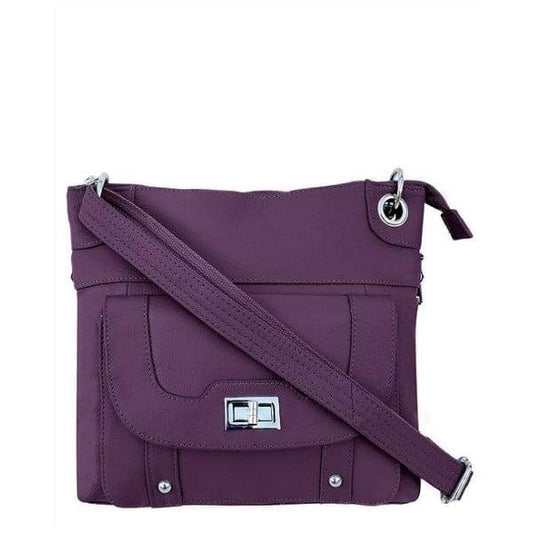
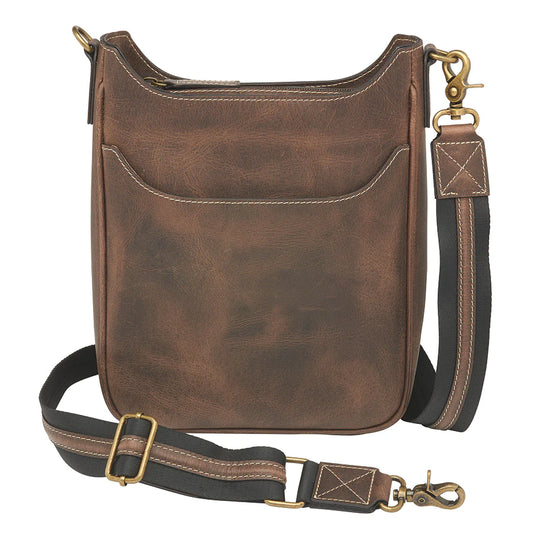
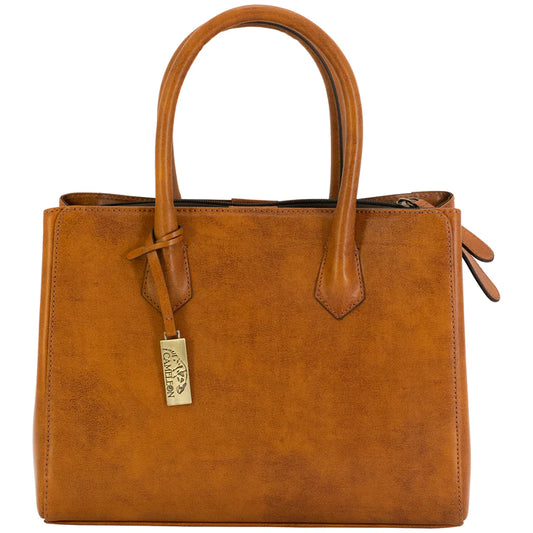
This is also where off-body carry can be a practical choice. A purpose-designed concealed carry purse, backpack, sling, or waist pack can give you more wardrobe flexibility when on-body carry is not realistic. Hiding Hilda styles are designed to blend secure firearm storage with the handbags and bags women actually want to carry. If you carry off-body, keep the bag within your immediate control, use its lockable compartment when appropriate, and avoid leaving it unattended in a cart, vehicle, or changing room.
Before settling on a holster placement, conduct a careful fit test using safe handling practices and an unloaded firearm only if you are trained and comfortable doing so. Better yet, work with a certified instructor or a knowledgeable local range professional who can help you evaluate fit without compromising safety.
Wear the holster around the house while you complete ordinary tasks. Sit on the sofa, get into your car, reach for a cabinet, walk up stairs, and bend to pick up a bag. Notice whether it stays stable, whether your clothing shifts naturally over it, and whether you feel pressure in one spot.
Pay attention to the small annoyances. If a holster digs into your side after twenty minutes, it will probably not become your favorite after eight hours. If it requires a different outfit every time you carry, you may stop using it consistently. Comfort is not a luxury feature. It is part of responsible, repeatable carry.
Also assess concealment from more than one angle. Check your profile in a mirror, then move around. Raise your arms, sit down, and look at how fabric drapes rather than how it appears while perfectly still. The goal is discretion, not anxiety over every fold of clothing. Natural movement creates natural fabric changes.
A placement is only right if it keeps your firearm properly secured. Select a holster made for your specific firearm model, with full trigger-guard coverage and enough retention to hold it in place during normal activity. Avoid loosely placing a firearm in a pocket, purse compartment not designed for carry, waistband, or bag without a dedicated holster.
Local and state laws may affect where and how you can carry, including rules for off-body carry, prohibited locations, and licensing requirements. Stay current on the laws that apply where you live and travel. Regular training matters just as much as the accessories you choose, especially when you change holsters or carry positions.
Your holster placement should support your independence, not create another thing to manage. Choose the position that lets you move through your day with comfort, discretion, and the quiet confidence of a woman who is prepared on her own terms.