





Premium craftsmanship

“Love the company and the woman who runs it The bags/purses are great quality and are very stylish! 10/10 definitely recommend!!”



A purse snatcher is looking for one thing: an easy opportunity. A bag left open in a shopping cart, a loose strap hanging from one shoulder, or a distracted moment while juggling coffee, kids, and keys can make a woman appear easier to target. Learning how to prevent purse snatching is not about living on edge. It is about carrying yourself with awareness, choosing gear that works harder for you, and staying in control of your essentials.
You deserve fashionable protection that fits your real life. Whether you are headed to the office, walking through a parking garage, traveling, or managing a busy afternoon of errands, small habits can make a meaningful difference.
The most beautiful handbag in the world cannot protect what is inside if it is carried carelessly. The first line of defense is keeping your bag physically connected to you.
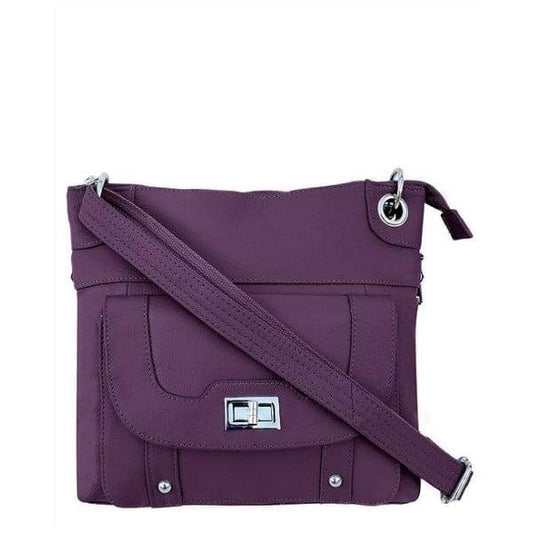
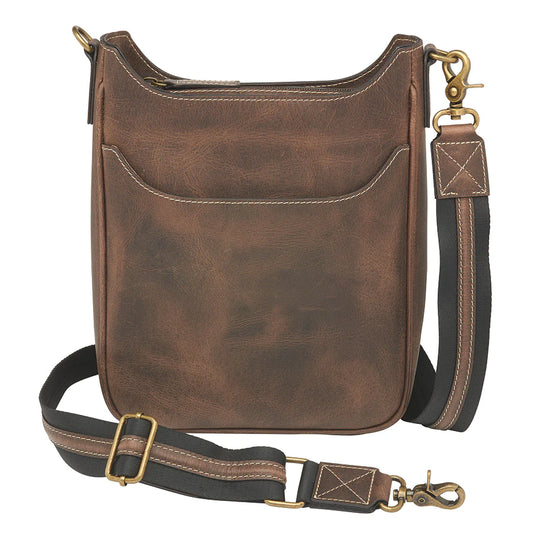
A crossbody bag is often the strongest everyday choice because the strap runs across your body rather than resting loosely on one shoulder. Wear it with the bag positioned in front of your hip or slightly toward your center, especially in busy places. This makes it harder for someone to grab it unnoticed and run. It also lets you keep a natural hand near the bag without looking nervous or restricted.
If you prefer a shoulder bag, carry it on the side away from the street when walking near traffic. A thief on foot, bicycle, or scooter may look for a bag hanging toward the curb. Keep the strap tucked close under your arm, and do not let the bag swing behind you as you walk.
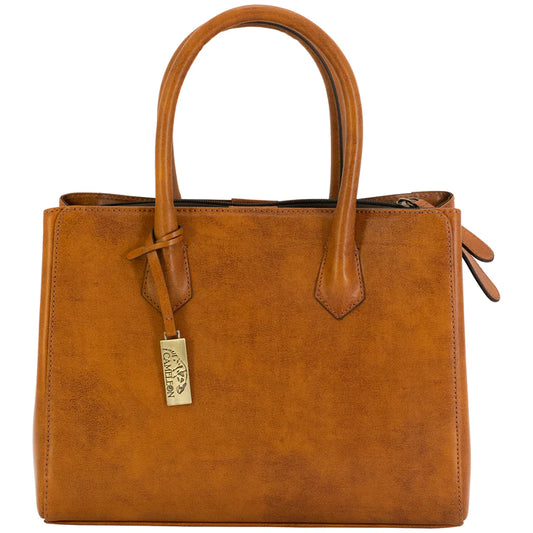
There is a trade-off with every style. A large tote may be ideal for work, travel, or motherhood, but its open top can invite wandering hands in a crowd. If you love a roomy tote, choose one with a zipper or secure closure and keep your wallet, keys, and other high-value items in an interior zippered pocket. Style and smart design should work together.
Security begins before you leave the house. A purse with intentional features gives you more control than a trendy bag with flimsy straps, exposed openings, or no internal organization.
Look for sturdy strap construction, quality hardware, and a closure that stays closed when the bag shifts. Zippered tops, magnetic flaps paired with interior zippers, and structured compartments all reduce easy access. A thief should not be able to glance into your bag, reach in, and walk away with your wallet while you are standing in line.
For women who carry personal protection, a purpose-built concealed carry purse adds another layer of responsibility. The firearm compartment should be separate from your everyday items, secured with a lockable zipper when appropriate, and designed for consistent access. Your firearm should remain in a proper holster that covers the trigger guard and holds it securely in place.
A dedicated compartment helps prevent lipstick, receipts, chargers, and loose keys from becoming a dangerous tangle around your defensive tool. Just as importantly, it supports a consistent draw position. Carrying responsibly means knowing exactly where your firearm is, keeping the purse under your direct control, and never treating it like a bag you can casually set down.
Hiding Hilda believes you should not have to choose between a polished look and practical readiness. A refined leather crossbody, satchel, backpack, or sling can complement your wardrobe while giving you the features that make everyday carry more intentional.
Most prevention is about reducing access. When you sit at a restaurant, do not drape your purse over the back of a chair. It looks effortless, but it also places the bag outside your field of view. Keep it on your lap, between your feet with a strap around your leg, or against your body on the booth side.
At a café, airport, or hotel lobby, avoid placing your purse on the floor beside you. It takes only a second for someone to slide a bag away while your attention is on a conversation or screen. If you need both hands, loop the strap around your leg or keep it across your body.
Shopping carts deserve special attention. Leaving a purse in the child seat or open basket creates a perfect grab-and-go opportunity. Wear a crossbody while shopping, or place your bag deep inside the cart and keep it zipped. If your purse contains a firearm, keeping it on your body is the safer standard. A cart can roll away, be bumped, or be reached from behind before you ever notice.
The same rule applies at the gym, in a fitting room, and at a friend’s house: do not assume a familiar setting removes the need for control. Your purse is not just an accessory. It holds your identity, financial information, home and vehicle keys, and potentially a means of self-defense.
Confident awareness changes how you move through the world. You do not need to scan every stranger with suspicion. You do need to avoid becoming absorbed in your phone, headphones, or a rushed mental checklist when entering and leaving places.
Before you step into a parking lot, put your phone away and have your keys ready. Look around as you walk to your vehicle. If something feels off, trust that feeling and return to a well-lit, populated area. Ask store security for an escort when needed. That is not overreacting. That is being your own hero.
Keep your purse on the side away from strangers when passing closely in a crowd. In lines, at escalators, and on public transit, position the bag in front of your body and close every compartment. Be especially alert when someone crowds you, creates a distraction, spills something nearby, or asks you to help with an unusually urgent situation. Most people are simply people, but distraction is a common tool for theft.
A strong posture also matters. Walk with purpose, keep your head up, and know where you are going. Predators often seek distraction and uncertainty, not a woman who appears alert, prepared, and difficult to surprise.
This is the hard truth: a purse can be replaced. Your life and physical safety cannot. If someone grabs your bag with force, especially from a moving vehicle or bicycle, holding on can pull you to the ground and cause serious injury.
Your response depends on the threat. If you can safely create distance and escape, do so. If you are carrying a firearm, understand that it is not a tool for protecting property. It is a last-resort defensive tool for an immediate threat of death or serious bodily harm, subject to the laws where you are located. Training, lawful carry practices, and sound judgment matter far more than bravado.
After a theft, move to safety first. Call 911 if there is an immediate danger, injury, weapon, or suspect nearby. Then contact your bank and card issuers, secure your phone accounts, and report stolen identification. If car or home keys were in the purse, take action quickly to protect your vehicle and residence.
The best anti-theft habit is the one you will use every day. Before leaving home, take a quick check: purse zipped, phone secured, wallet in its designated pocket, keys accessible, and strap positioned correctly. That five-second routine makes it less likely you will discover an open bag after walking through a crowded store or parking lot.
It also helps to carry less. A purse packed with old receipts, extra cards, and loose items is harder to close and harder to manage. Bring the payment cards and identification you need, keep a small backup card stored separately if practical, and consider carrying your most sensitive items in interior compartments instead of the first pocket you can reach.
Preparedness is not about making your life smaller. It is about moving through it with more confidence, more options, and less vulnerability. Carry the bag you love, secure it with intention, and let your presence say what every fearless woman already knows: you are not an easy target.