

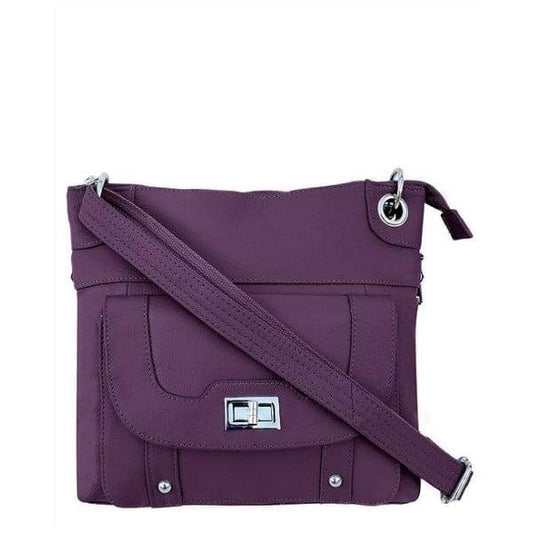

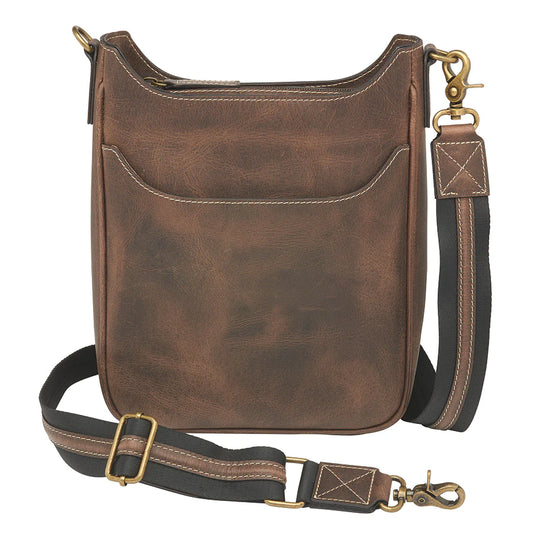


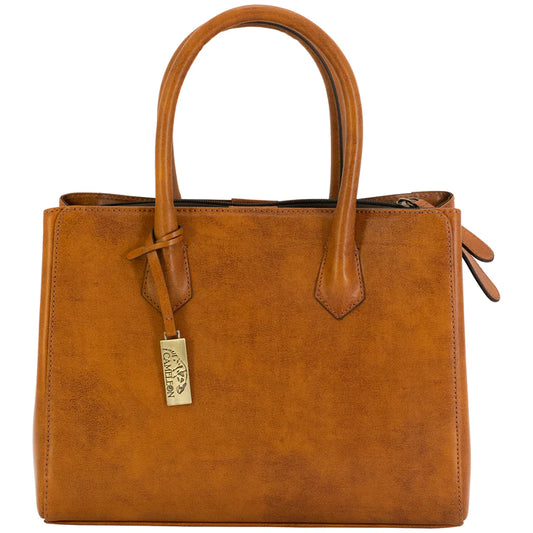

Premium craftsmanship

“Love the company and the woman who runs it The bags/purses are great quality and are very stylish! 10/10 definitely recommend!!”



A concealed firearm should stay concealed - not become the loudest part of your outfit, your conversation, or your day. This discreet carry etiquette guide is for women who choose prepared, polished independence and understand that responsible carry is as much about judgment as it is about the bag, holster, or wardrobe choice.
Discretion is not about being timid. It is about maintaining control. When your carry setup works with your real life, you can move through school pickup, work, errands, travel, and evenings out with quiet confidence. That is fashionable protection done right.
Good carry etiquette begins with a simple principle: your personal protection plan is personal. You do not owe strangers, coworkers, friends, or social media followers details about whether or how you carry.
Being discreet means avoiding unnecessary attention while keeping the firearm secure, accessible to you, and handled only when there is a genuine need. It also means respecting the comfort and safety of the people around you. A quality concealed carry purse or crossbody can look like the beautiful everyday accessory it is, rather than a signal that invites questions.
Etiquette also has a practical side. Every carrier is responsible for knowing applicable federal, state, and local laws, as well as the rules of private locations. A permit does not make every location appropriate for carry. Posted restrictions, school zones, government buildings, workplaces, venues, and state lines can all change what is lawful. When there is any doubt, verify before you go.
A firearm that prints, shifts, falls open, or requires constant adjusting is not discreet. It is also a sign that something in the setup needs attention. The goal is not to hide your confidence. The goal is to prevent others from noticing your firearm at all.
Choose a carry method that fits your routine rather than forcing your routine to fit the carry method. A structured leather purse may be ideal for a professional day. A hands-free sling or crossbody can make more sense for a busy outing with kids. A waist pack may be the better option for a walk, a festival, or errands where you want your essentials close. The right choice depends on your outfit, activity, comfort level, and how consistently you can maintain control of the bag.
Your firearm should ride in a dedicated compartment designed for concealed carry, with a proper holster that covers the trigger guard and holds the firearm securely in place. The carry compartment is not a catchall for keys, lip gloss, receipts, or loose change. Keep it clear. A separate, lockable compartment helps protect against curious hands and preserves a clean, predictable draw path.
Before leaving home, do a private mirror check. Bend, sit, reach, walk, and put on your outer layer if you are wearing one. Check whether straps sit comfortably and whether the bag remains closed and positioned as intended. This small habit can prevent awkward adjustments in public.
Off-body carry is popular because it gives women more fashion choices and makes it possible to carry in a handbag, tote, backpack, or diaper bag. It also requires a higher standard of awareness. Unlike an on-body holster, a carry bag can be set down, handed off, or left behind in a moment of distraction.
The rule is simple: do not treat a concealed carry bag like an ordinary purse. It stays on your body, within your direct control, or secured in a way that prevents unauthorized access. Do not leave it in a shopping cart, under a restaurant table, on the back of a chair, or in an unlocked vehicle. If you would not leave your firearm there by itself, do not leave the bag there either.
Be especially intentional in homes with children. A lockable compartment is a valuable added layer, but it is not a replacement for attentive control and safe storage. At home, secure firearms according to your household needs and local requirements. When your bag is not actively in use, it should not become an easy-access object on a counter, bed, or entryway bench.
Avoid asking someone else to hold your bag unless you have a compelling reason, and never hand it to a child. If a friend offers to carry it while you run to the restroom, a simple, friendly “I’ve got it, thank you” is all you need.
There is a difference between discussing responsible carry with trusted people and casually announcing it. The second approach can create unwanted attention, invite arguments, or give someone information they do not need.
Resist the urge to explain why your purse is heavier, why you keep it close, or what is inside a dedicated zipper compartment. You can set boundaries without being defensive. If someone reaches for your bag, say, “Please don’t move that for me,” or “I prefer to keep my purse with me.” Both statements are polite, clear, and do not reveal anything personal.
Social media deserves the same restraint. Posting a new bag can be fun. Posting detailed photos of your firearm placement, daily routes, home layout, or carry routine can compromise privacy and security. Share style if you wish, but protect operational details.
Confidence is built before you enter a parking lot, not during a stressful moment. Responsible carriers train regularly, understand their equipment, and practice safe handling according to established firearm safety rules. If you are new to a purse, sling, or backpack carry method, take the time to learn how the access compartment works before relying on it outside the house.
Practice should be lawful, safe, and deliberate. An unloaded firearm and a verified safe environment can help you learn bag orientation, zipper movement, strap placement, and how your clothing affects access. Professional instruction is worth considering, especially for off-body carry, because drawing from a bag introduces different retention and safety considerations than drawing from a body-worn holster.
Do not handle, rearrange, or check your firearm in public. Even a well-intended adjustment can alarm others or create a safety issue. If your setup becomes uncomfortable, wait until you can move to a private, lawful place to address it.
Stylish concealed carry does not require a tactical wardrobe. In fact, a bag that blends naturally with your personal style is often more discreet than one that looks built for a mission. Choose colors, silhouettes, and materials you genuinely enjoy carrying. When you love the bag, you are more likely to keep it with you and handle it responsibly.
Still, fashion should support function. A bag that is too heavy may end up on a chair. A strap that slides off your shoulder may tempt you to leave it in a cart. A tiny compartment may make secure holster placement difficult. Look for a balance of refined design, comfortable wear, organized storage, and a dedicated firearm compartment that works for your chosen setup.
Hiding Hilda believes women should never have to choose between feeling put together and feeling prepared. Your everyday carry can complement a tailored blazer, weekend denim, a sundress, or the organized reality of motherhood. The best bag is the one that helps you stay in control without asking you to look like anyone but yourself.
Carrying responsibly includes reading the room. Alcohol, emotionally charged conflicts, unfamiliar legal restrictions, and environments where your bag cannot remain under your control are all reasons to pause and make a different plan. Personal protection is not about proving a point. It is about making sound choices before a situation becomes complicated.
Stay aware of your surroundings without becoming consumed by fear. Keep your head up, avoid unnecessary distractions, and trust your instincts when a place or situation feels off. Quiet awareness is powerful. So is knowing when to leave.
Your carry choice is one part of a larger commitment to self-reliance. Carry it with the same poise you bring to every other part of your life: secure, private, prepared, and entirely your own.