

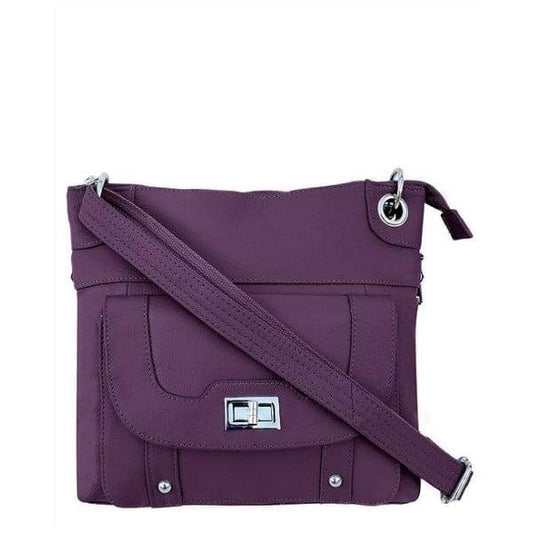

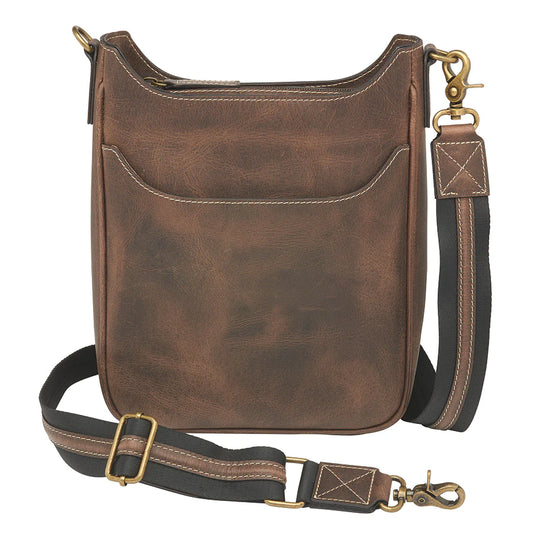


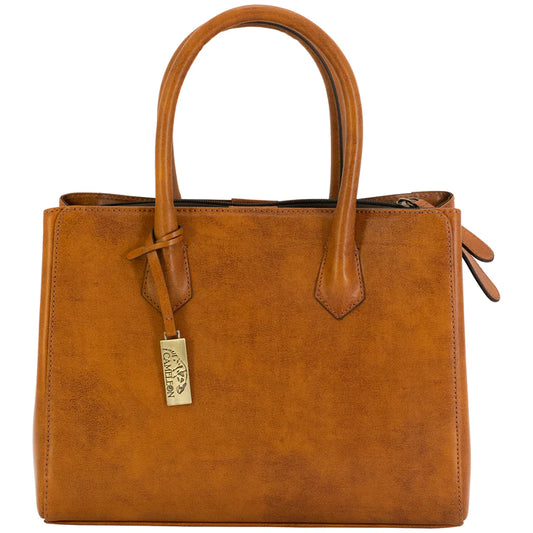

Premium craftsmanship

“Love the company and the woman who runs it The bags/purses are great quality and are very stylish! 10/10 definitely recommend!!”



A crowded platform. A packed parking garage. A quick stop for coffee before work. These are ordinary parts of a busy day, but they are exactly where commuter handbag safety deserves more thought than simply choosing a bag that matches your outfit. The right handbag should help you move with confidence, keep essentials protected, and support responsible personal protection without looking tactical or out of place.
For women who carry every day, a handbag is not an accessory you set down and forget. It is part of your awareness, your routine, and your readiness. Fashionable protection works best when the bag feels natural to wear, stays under your control, and gives every item a deliberate place.
The safest bag is the one that remains with you. That sounds simple, but commuting creates plenty of moments when a handbag can become vulnerable: squeezing through a turnstile, stowing a tote under a desk, reaching for a ticket, loading groceries, or helping a child into the car.
Choose a carry style that fits how you actually travel. A crossbody bag is often a strong choice for walking, public transit, and crowded areas because it keeps the bag close to the body and leaves both hands freer. A backpack may make sense for a longer commute or heavier load, but it needs secure closures and should come off only when you can keep it in sight. A structured shoulder bag can look polished for the office, though it may be less secure if it slips easily from your shoulder.
Fit matters as much as style. Adjust the strap so the bag sits comfortably against your body rather than swinging at your hip or hanging low behind you. A bag that moves around is easier to grab, easier to bump into, and harder to monitor. If you are constantly re-adjusting it, it is probably not the best bag for your commute.
A beautiful handbag can also be thoughtfully built for real-world use. Look beyond color, hardware, and silhouette to the features that make everyday carry more secure.
A zippered main compartment is generally safer than an open tote, especially on trains, buses, or busy sidewalks. Exterior slip pockets can be convenient for a phone or transit pass, but they should not become a home for valuables, identification, or keys. When you need an item often, keep it in a pocket that closes or position the bag so that pocket faces inward toward your body.
For many commuters, RFID-blocking card slots add another useful layer of protection against unauthorized scanning of compatible payment cards. It is not a substitute for watching your belongings, but it is a practical feature for someone who keeps cards in her bag all day.
Quality construction matters, too. Strong straps, reinforced stitching, dependable zippers, and substantial hardware are not just luxury details. They are the small things that help a bag hold up under daily use. A strap that frays, a zipper that catches, or a clasp that opens too easily can create an inconvenience at the worst possible moment.
A handbag turns into a liability when you have to dig through it. A commuter bag should make it easy to find what you need without displaying everything you own to the person standing beside you.
Give your essentials consistent homes. Keys should be secured to an interior key leash or zippered pocket. Your phone should be reachable without opening the entire bag. Work badge, transit card, wallet, medications, and personal safety tools should each have a designated location. That routine reduces distraction and makes it easier to notice immediately if something is missing.
Avoid overfilling your bag. A heavy, overloaded handbag is tiring to carry and difficult to secure. It can also hide items you may need quickly. If your workday requires a laptop, files, lunch, gym clothes, and personal items, consider a larger bag with distinct compartments rather than forcing everything into one cavernous tote.
There is a trade-off here: more pockets can mean better organization, but too many tiny compartments can slow you down if you cannot remember what goes where. Keep your system simple enough to use on a rushed Monday morning.
If you choose to carry a firearm in your handbag, responsible off-body carry requires more than placing a handgun inside a stylish purse. Your firearm should be completely separate from your wallet, cosmetics, keys, and other daily items. A purpose-built, lockable concealed carry compartment helps prevent unauthorized access and keeps the firearm protected from loose objects.
The compartment should be designed to hold an appropriate holster securely, with the firearm positioned consistently and the trigger protected. A bag with a dedicated compartment also helps you avoid the dangerous habit of searching around near a firearm to find another item.
Just as critical: the bag must remain in your direct control. Do not leave it in a shopping cart, on the back of a chair, under a restaurant table, in an unlocked car, or unattended in an office. If you need to take the bag off, keep it on your lap, between your feet with the strap secured, or in another position you can actively control based on the setting.
A lockable compartment is a valuable safeguard, particularly around children or when the bag must be briefly stored in a secure location. It does not replace attentiveness. A lock helps create a barrier, but responsible carry still means knowing where your bag is at every moment.
Practice matters, too. Familiarize yourself with your specific bag and holster setup while it is unloaded and in a safe, lawful environment. You should understand how the compartment opens, how the bag sits on your body, and whether the design supports a consistent draw without fumbling. Seek qualified, in-person training for concealed carry and follow all applicable local, state, and federal laws.
Personal safety does not require living on edge. It means being present enough to notice what is around you. Put your phone away when walking to your car. Keep one ear free if you wear headphones. Know where you are going before you step off the train or out of the building.
When possible, park in well-lit areas and have your keys ready before you reach your vehicle. If something feels wrong, trust that instinct. Go back inside, move toward other people, call for help, or change your route. Confidence is not pretending every situation is safe. Confidence is giving yourself options.
Be mindful of how your bag signals accessibility. In a busy crowd, keep the opening zipped and the bag in front of you. At a cafe, avoid hanging it over the back of a chair. At your desk, do not leave it where visitors, coworkers, or children can access it. These habits are quiet, easy, and powerful.
There is no single perfect commuter handbag. A woman who walks several city blocks, rides a subway, and works in a corporate office may need a different setup than someone driving from the school drop-off line to a hospital shift. Your best choice depends on how long you carry, what you carry, where you set the bag down, and whether you need a dedicated concealed carry compartment.
For a hands-free commute, a crossbody with a lockable carry section may offer the best balance of access, security, and polished style. For travel days or long shifts, a concealed carry backpack can distribute weight more comfortably, provided you maintain control of it. For a professional setting, a structured satchel or tote may better complement your wardrobe, but secure closures and thoughtful internal organization become even more essential.
Hiding Hilda understands that Fearless Women do not have to choose between a handbag they love and the preparedness they value. The strongest choice is the one that fits your life so well that using it safely becomes second nature.
Your commute may be routine, but your safety should never be an afterthought. Carry a bag that looks like you, works as hard as you do, and helps you move through every stop of the day with calm, capable confidence.