

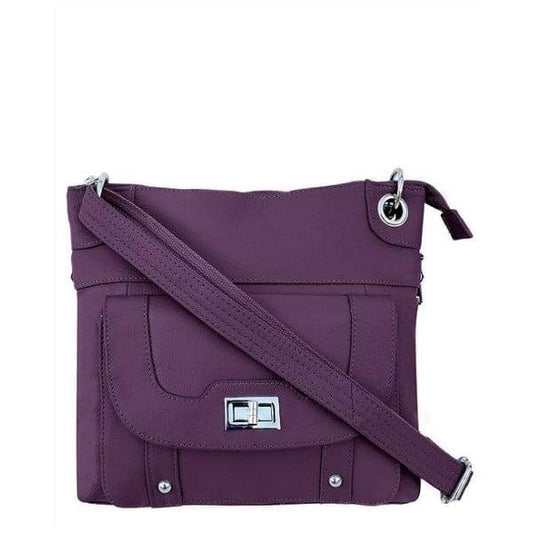

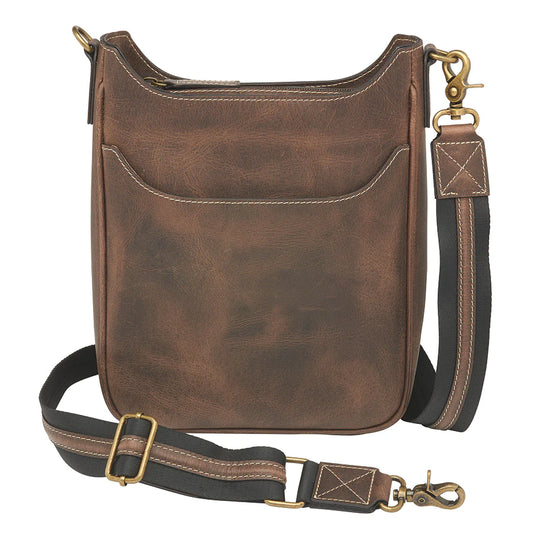


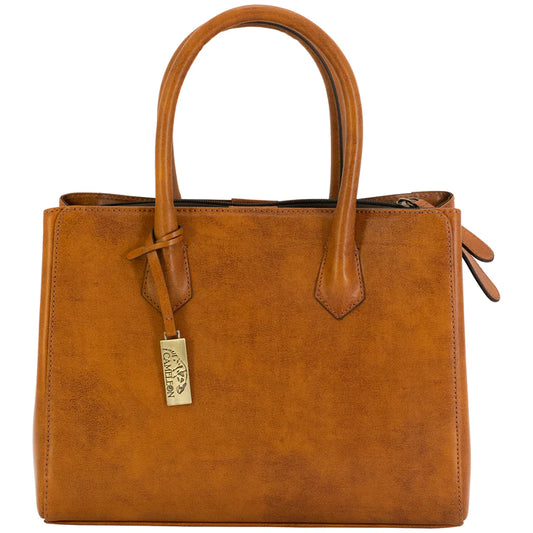

Premium craftsmanship

“Love the company and the woman who runs it The bags/purses are great quality and are very stylish! 10/10 definitely recommend!!”



A handbag should support your life, not announce your security plan. Cameleon concealment handbags are made for women who want a polished daily bag with a discreet, purpose-built place for responsible carry. The right style lets you move from the school pickup line to the office, errands, dinner, and travel with your essentials organized and your confidence intact.
That balance matters. A bag may be beautiful, but it also has to work under real conditions: getting in and out of the car, managing keys and a phone, carrying around children, and reaching what you need without fumbling. Fashionable Protection is not about carrying more gear. It is about choosing the bag that helps you stay prepared without sacrificing the way you dress or live.
Cameleon handbags are designed to look like handbags first. Rather than a tactical accessory covered in webbing, oversized zippers, or obvious utility details, these styles lean into wearable silhouettes, practical interiors, and everyday colors. That understated appearance is a feature. Discretion begins with carrying something that fits naturally into your wardrobe and routine.
The concealment compartment is the difference between an ordinary purse and a carry-minded handbag. It is typically separated from the main storage area, helping keep a firearm away from cosmetics, pens, receipts, snacks, and everything else that tends to collect at the bottom of a purse. A dedicated compartment can also make access more consistent because the placement does not change every time you reorganize your belongings.
Many shoppers also look for lockable zipper pulls, protective lining, reinforced construction, and a holster-ready interior. Features vary by style, so the best choice is never simply the prettiest bag on the page. It is the one whose compartment, carry position, dimensions, and closure system work with your specific setup.
Your routine should lead the decision. A compact crossbody can be a strong choice when you are walking, shopping, or need both hands free. Worn close to the body, it can be easier to keep within your control than a bag carried loosely in the crook of an arm. The trade-off is capacity. A smaller profile may require you to be more selective about your wallet, water bottle, planner, and other daily essentials.
A shoulder bag or satchel gives you more room and a more structured, polished look. These styles can make sense for workdays, appointments, and women who prefer a handbag that carries more than the basics. Before choosing one, consider whether the strap length and bag depth allow the concealment compartment to sit in a position that feels stable rather than heavy or awkward.
Totes offer generous storage for commuters, mothers, and women who routinely carry tablets, notebooks, or extra supplies. That space is useful, but it comes with responsibility. A larger bag can become cluttered, and a bag that is too heavy is harder to keep close and control. If you choose a tote, a dedicated compartment and thoughtful interior organization become even more valuable.
The most flattering silhouette is not always the most practical one for your carry method. Try to picture the bag during a normal day, not just on a product photo. Will you set it down often? Wear a bulky coat in winter? Need to open it while seated in a vehicle? Those small details influence what will actually feel right six months from now.
A concealment handbag should fit your unloaded firearm and holster securely, not barely. Measure the overall length and height of your setup, then compare it with the compartment dimensions listed for the bag. Be especially mindful of grip height, mounted optics, lights, and extended magazines, which can change the space required.
Fit also affects draw consistency. A compartment that is overly roomy can allow the holster or firearm to shift. One that is too tight can interfere with access or closing the zipper. A quality holster that covers the trigger guard and remains anchored in the compartment is a non-negotiable part of off-body carry. Never place a loose firearm in a handbag compartment.
Orientation deserves the same attention. Think about whether you are right- or left-handed, how you normally wear your bag, and which access direction feels most natural. A crossbody worn on the opposite side from your draw hand may look balanced, for example, but it can slow down access. There is no universal answer. Your body, wardrobe, firearm, and training all matter.
Off-body carry requires more awareness than an on-body holster because the bag can be removed, set down, or grabbed. Keep your handbag on your body or under your immediate control. It should not hang from a shopping cart, sit unattended in a car, or be left on the back of a restaurant chair.
Lockable zippers can add an extra layer of protection, particularly around children or during storage, but they do not replace responsible handling. If children are present, follow all applicable laws and secure your firearm so unauthorized users cannot access it. Know your state and local rules for concealed carry, vehicle storage, restricted locations, and firearms in public spaces before you leave home.
A handbag also needs to stay closed and balanced. A bag that tips over, leaves the concealment zipper exposed, or requires two hands to manage can work against you. Check the strap hardware, zipper placement, and how the bag sits when it is filled. The details that feel minor at checkout tend to become major during a long day.
A new handbag changes your draw. Strap position, zipper direction, bag height, and the way the compartment opens all affect your movement. Practice safely with an unloaded firearm in a private, lawful setting, following established firearm safety rules. Build a repeatable sequence for controlling the bag, opening the compartment, obtaining a proper grip, and reholstering carefully.
Training is not about rushing. It is about avoiding confusion when stress is high. If you switch bags frequently, understand that each style may require a different draw path. Many women choose one primary carry handbag for this reason, then reserve other bags for days when they are not carrying or for circumstances where a different method makes more sense.
A range professional or qualified firearms instructor can help you assess your draw mechanics and off-body carry habits. Practice should include secure reholstering and safe bag management, not only drawing. Responsible preparedness looks calm, deliberate, and practiced.
The best concealed carry handbag is one you will genuinely want to carry. Choose a color and silhouette that work with most of your closet, whether that means classic black, rich brown, a neutral taupe, or a statement finish that still feels like you. A bag that complements your style is more likely to become part of your routine rather than sit in the closet.
At Hiding Hilda, the goal is simple: help Fearless Women choose accessories that honor both style and self-reliance. You do not need to dress tactically to take your safety seriously. Cameleon concealment handbags offer a confident middle ground for women who refuse to choose between looking put together and being prepared.
Your everyday bag carries the details of your life. Choose one that carries your confidence, too.