

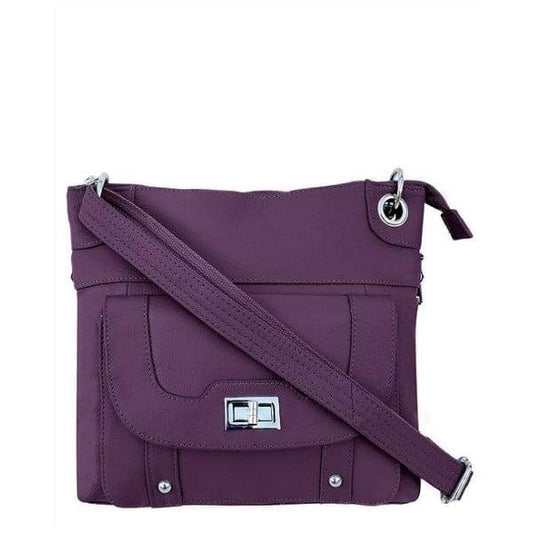

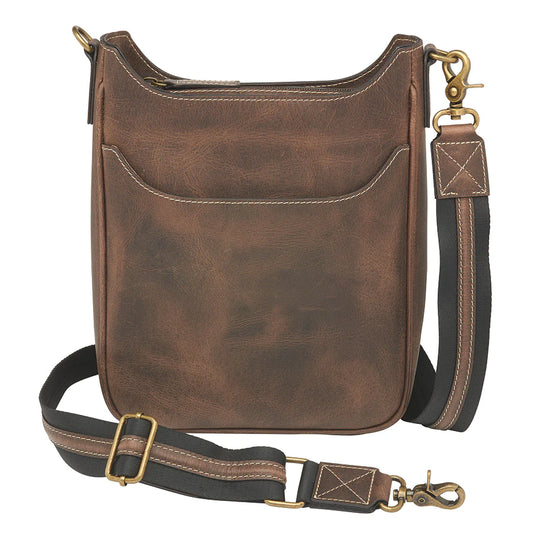


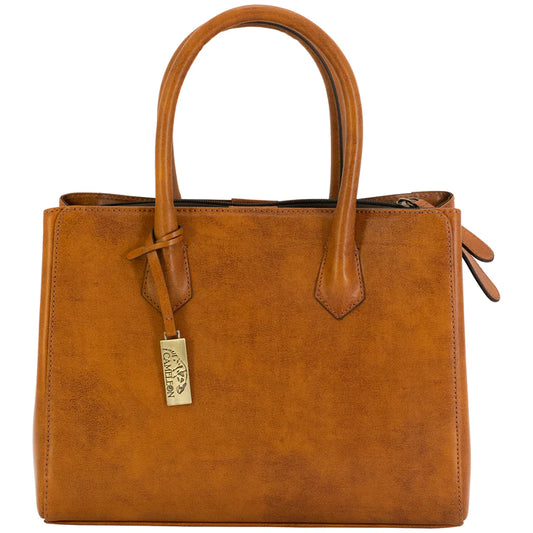

Premium craftsmanship

“Love the company and the woman who runs it The bags/purses are great quality and are very stylish! 10/10 definitely recommend!!”



A lightweight carry backpack should never make you choose between looking put together and feeling prepared. It should move with you through a commute, a school pickup, a long day of errands, or a weekend away without advertising what it carries. That is the appeal of a lightweight carry backpack: practical protection in a bag that still feels like your style.
For women who carry responsibly, weight is not a small detail. A bag that starts out heavy becomes a bag left in the car, shifted from shoulder to shoulder, or replaced with something less useful. The right backpack keeps the load manageable, your everyday essentials organized, and your protective options close without turning your outfit tactical.
A backpack distributes weight across both shoulders, which can be a welcome change from a shoulder bag or oversized tote. But the backpack itself still matters. Heavy hardware, stiff materials, bulky padding, and too many compartments can make an empty bag feel like a chore before you add a wallet, phone, water bottle, keys, and personal protection tools.
A lightweight design gives you more control over the total load. It also makes the bag more natural to wear. When your backpack feels like part of your day rather than equipment you are managing, you are more likely to keep it with you consistently.
That does not mean the lightest bag is always the best choice. Ultra-thin materials can sacrifice structure, durability, or the protection needed for a dedicated carry compartment. A better goal is intelligent weight: enough material and reinforcement to support responsible carry, without unnecessary bulk.
Fashionable protection is about more than hiding a compartment. A dependable carry backpack needs to keep the firearm compartment distinct from the rest of your belongings, help prevent unwanted access, and allow you to locate it confidently when seconds and fine motor skills may not be on your side.
Your carry space should not compete with lip balm, sunglasses, charging cables, and everything else that collects in a handbag. A dedicated compartment creates a clear boundary between your personal items and your defensive tool. Look for a design with enough room for a compatible holster and a setup that holds the firearm in a consistent orientation.
A built-in or removable holster panel can be useful, provided it fits your firearm securely and fully protects the trigger guard. Do not assume every holster or compartment fits every model. Check dimensions, retention, and access direction before committing to a bag.
A lockable zipper can add peace of mind during travel, in public spaces, or around curious children. It is not a substitute for responsible supervision, safe storage practices, or keeping the backpack under your direct control. It is simply another layer in a smart personal-security plan.
This is where lifestyle matters. If you regularly take off your backpack at a playground, in an office, or at a friend’s home, consider whether you can keep it within reach and under control. Backpack carry is a strong choice for many women, but it asks for awareness. A bag behind you is not a bag you can casually forget.
Quick access sounds appealing, but it has to be balanced with retention and discretion. The best access method depends on how you wear the backpack, which side feels natural, your dominant hand, and your level of training. A side or back-panel opening may work beautifully for one carrier and feel awkward for another.
Before you rely on any setup, practice with an unloaded firearm in a safe, private setting, following the bag and holster manufacturer’s instructions. Build familiarity with opening the compartment, establishing a safe grip, and re-securing the bag. Professional training is the right place to develop defensive skills and learn what works under pressure.
A carry backpack still has to serve the rest of your life. Thoughtful interior pockets prevent loose essentials from becoming a scavenger hunt. Exterior phone pockets, key clips, RFID-protected card slots, and room for daily necessities can turn one bag into your go-to piece.
Style is functional here, too. A refined leather backpack, a clean silhouette, and hardware that complements your wardrobe make discreet carry easier. You should not have to explain your bag, apologize for it, or dress around it. The point is to carry with confidence and keep moving.
The best size depends less on your height and more on your actual day. A compact backpack works well for a wallet, phone, keys, a small makeup pouch, and a compact carry setup. It is a polished choice for commuting, appointments, shopping, and nights when you want your hands free.
A medium backpack gives you more flexibility for a tablet, planner, water bottle, light cardigan, or the extras that come with a busy schedule. For mothers, it can be an especially practical middle ground: enough space for a few kid essentials without becoming a full diaper bag.
Larger bags have their place for travel, work, and family days, but more capacity can invite overpacking. Be honest about what you use. A backpack that is technically lightweight can still become uncomfortable if it is packed with every just-in-case item you own.
Try the backpack on with the kind of clothing you wear most often. A thick winter coat, a blazer, and a T-shirt can all change how straps sit and how easily the bag moves around your body. Adjustable straps are essential, and a bag that sits close to your back usually feels more secure than one that swings freely.
Pay attention to where the carry compartment rests when the backpack is worn. It should not dig into your back or create an obvious shape. At the same time, avoid a bag that hangs so low that access becomes clumsy or it repeatedly bumps against your hips.
A quick fit check should answer five questions:
Leather brings polish, durability, and a timeless look, but it can add weight. A lightweight leather or leather-accented design may be the right answer if you want elevated style without carrying a heavy, oversized bag. Nylon and other performance fabrics can be exceptionally light and weather-friendly, though they may lean more casual depending on the design.
Hardware deserves a close look. Quality zippers matter because they are used constantly, particularly on a dedicated carry compartment. Smooth zipper pulls, reinforced stitching, and sturdy attachment points can make a meaningful difference over time. The goal is not decorative excess. It is dependable construction where it counts.
At Hiding Hilda, that balance is at the center of fashionable protection: bags designed to look right with your life while supporting the responsibility you carry. A beautiful finish is not an afterthought when it helps you choose the bag you will actually wear.
A carry backpack is not a set-it-and-forget-it accessory. Keep the compartment reserved for its intended purpose. Avoid storing loose items alongside the firearm, inspect the holster and zipper condition regularly, and confirm that the firearm remains secure after a busy day.
Know the laws that apply where you live and travel, including rules for schools, government buildings, private businesses, and vehicle storage. Laws change, and responsible carry means checking current requirements rather than relying on old advice or assumptions.
Most of all, make control part of your routine. When you enter a restaurant, use a restroom, get into a car, or set your bag down at home, know exactly where it is. Independence feels stronger when it is paired with discipline.
Choose a backpack that feels light on your shoulders, natural in your wardrobe, and serious about the job it is designed to do. You deserve gear that helps you show up as the fearless, capable woman you already are.