





Premium craftsmanship

“Love the company and the woman who runs it The bags/purses are great quality and are very stylish! 10/10 definitely recommend!!”



A great bag should not force you to dig for a card while balancing coffee, keys, and everything else life puts in your hands. The best handbags with built in wallet features keep everyday essentials exactly where you need them, while still looking polished enough for work, errands, dinner, and the school pickup line. For women who carry for personal protection, the right design also creates a clear boundary between wallet organization and a dedicated concealed carry compartment.
That distinction matters. A wallet built into a handbag can make your day feel lighter and more organized, but it should never interfere with safe, responsible access to a properly secured firearm. Fashionable Protection works best when every pocket has a purpose.
A true built-in wallet is more than a small zip pocket sewn into the lining. It gives you designated space for the items you reach for most: cards, cash, ID, receipts, and sometimes a phone. Instead of carrying a separate wallet that adds bulk and gets lost at the bottom of your purse, your essentials stay in a fixed, easy-to-find section of the bag.
The best versions use multiple card slots, a bill compartment, a zippered coin pocket, and a secure closure. Some are placed behind a front flap for a clean look; others sit along the interior wall or in an exterior organizer compartment. The right placement depends on how you use your bag. If you pay by card often, an accessible wallet panel is convenient. If security is your priority in crowded spaces, a zippered interior wallet section may feel more reassuring.
For many women, the appeal is simple: fewer pieces to remember, less clutter to manage, and a handbag that is ready when they are.
The right choice is not always the bag with the most pockets. It is the bag whose layout matches your routine, wardrobe, and carry needs. Start by looking at the details that affect daily use.
A built-in wallet should have enough card slots for your real life, not just a minimalist fantasy. Consider your driver's license, primary payment cards, insurance cards, work badge, transit card, and membership cards. Six to 12 card slots suit many women, but the quality of the stitching matters as much as the number.
Leather and structured synthetic materials tend to hold their shape better than thin fabric slots. Well-made card slots should feel snug at first without making it difficult to remove a card. Loose slots defeat the point of organized carry.
Magnetic snaps are fast and elegant, but they offer less protection than a zipper. A zip-around wallet area keeps cards and cash contained if the bag tips over in the car or gets jostled in a busy store. A flap closure can offer a refined silhouette and quick access, especially on a crossbody or satchel.
There is a trade-off. The more secure the closure, the more deliberate the access. For most everyday bags, that is a worthwhile exchange. Your wallet section should protect your essentials without slowing down your entire routine.
RFID-blocking material can help shield compatible contactless cards from unauthorized scanning. It is a useful feature for women who commute, travel, attend events, or spend time in crowded public places. Still, RFID protection is not a substitute for keeping your bag zipped, close to your body, and within sight.
If you use RFID cards regularly, look for a clearly identified RFID wallet compartment rather than assuming every lined pocket offers the same protection.
A wallet handbag can become frustrating quickly when the phone pocket only fits a small device without its case. Check the dimensions, especially if you carry a larger phone, a protective case, or a portable charger. Some women prefer the phone in the wallet section for quick checkout; others want it in a separate slip pocket to avoid crowding cards and cash.
There is no universal answer. The best arrangement is the one that lets you find your phone without exposing or disturbing the rest of your essentials.
Built-in wallet organization looks different in a crossbody than it does in a tote. Your lifestyle should lead the decision.
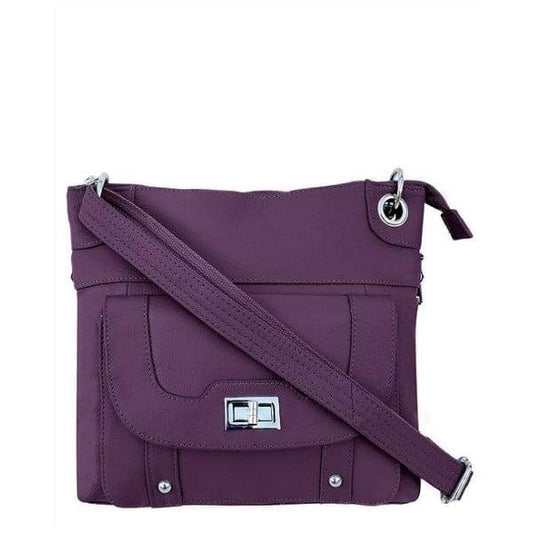
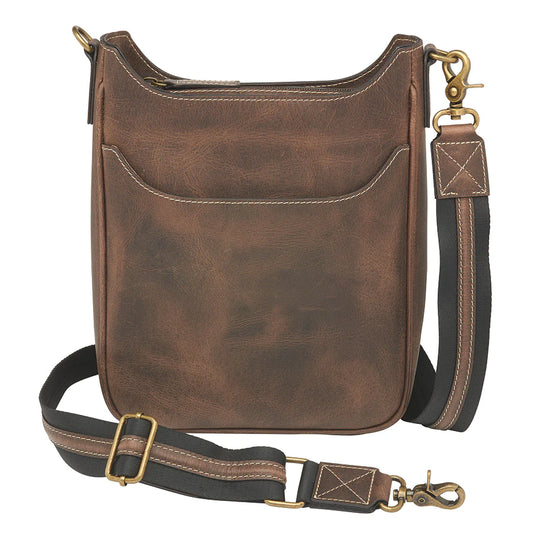
A compact crossbody is ideal when you want hands-free movement and only need the essentials. It works beautifully for errands, casual outings, travel days, and events where a larger bag would feel cumbersome. Look for an adjustable strap, a body-facing or secured wallet compartment, and enough depth to keep the bag from becoming overstuffed.
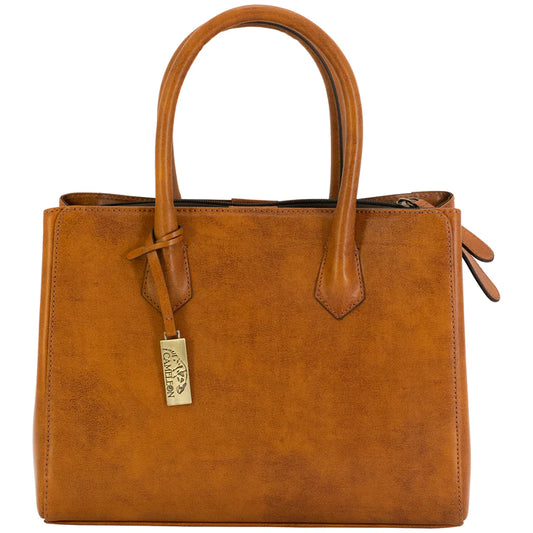
A satchel offers more structure and a more dressed-up profile. It is a strong choice for office commutes, appointments, and women who carry sunglasses, cosmetics, a small planner, or extra personal items. A satchel with a built-in wallet keeps smaller necessities from disappearing into a roomy main compartment.
A tote makes sense for busy days that require more capacity. Moms, professionals, and road warriors often appreciate a tote that can hold a tablet, water bottle, paperwork, and wallet essentials in one place. The caution is weight. A large tote can become heavy fast, so choose sturdy handles, a comfortable shoulder strap, and intentional interior organization rather than one cavernous compartment.
A backpack or sling can be the better answer for women who need hands free for children, commuting, or active schedules. Built-in wallet sections are especially helpful here because they stop smaller items from migrating through the bag. Look for a design that remains feminine and refined, not overly tactical or bulky.
For responsible carriers, a handbag with a built-in wallet should keep financial essentials separate from the firearm compartment. Your concealed carry space needs to be dedicated, secure, and designed for the purpose - ideally lockable, lined for holster compatibility, and positioned for consistent access.
Do not use a wallet pocket as a firearm pocket. Card slots, coins, keys, and loose personal items do not belong near a handgun. A quality concealed carry handbag gives the firearm its own compartment so it can stay properly holstered, protected from interference, and away from routine wallet access.
This is also where bag orientation matters. A concealed carry purse should help you establish a repeatable draw position. If you switch the bag from shoulder to shoulder, change the internal setup, or let the carry compartment become cluttered, you lose consistency. Practice safely with an unloaded firearm according to your training and local laws, and always keep the bag under your direct control.
At Hiding Hilda, the goal is never to make women choose between a bag that feels like them and a bag that supports their preparedness. Be Your Own Hero means choosing gear that lets you move through your day with style, awareness, and confidence.
A built-in wallet gets more use than almost any other part of a handbag. That means flimsy zippers, weak snaps, and thin lining reveal themselves quickly. Full-grain or quality genuine leather offers a classic look and can develop character over time, while lightweight vegan materials may appeal if you want lower weight and simpler care. Either way, inspect the construction.
Look for smooth zipper movement, reinforced stitching around card panels, neatly finished edges, and hardware that feels substantial rather than decorative. A wallet compartment that catches every time you reach for your ID will become a daily annoyance. A bag should work as confidently as it looks.
Color also deserves practical thought. Black, espresso, and rich brown leather coordinate easily and hide wear well. Cognac brings warmth to denim, neutrals, and business casual outfits. If you love a statement color, choose one in a silhouette you will use often enough to justify it. The most beautiful handbag is still only useful when it earns a place in your rotation.
Once you choose the right bag, resist the urge to fill every open space. Keep frequently used cards in the built-in wallet slots, carry only the cash you need, and use the zippered area for items that should not fall loose. Store keys separately so they cannot scratch a phone screen or damage wallet lining.
For concealed carry, maintain the dedicated compartment exactly as designed. Keep the firearm in a quality holster that covers the trigger guard, avoid placing unrelated items in that compartment, and make sure the compartment closure remains secure. Your bag should support responsible habits, not create extra complications.
The best handbag is not the one that carries everything. It is the one that carries what matters with purpose. Choose a built-in wallet design that keeps your everyday essentials close, your style intact, and your confidence right where it belongs.